







What's Happening?
Brazilian Supreme Court Justice Alexandre de Moraes is under intense pressure to resign following revelations of alleged links to disgraced banker Daniel Vorcaro, owner of Banco Master. Federal police documents, unsealed by Justice André Mendonca, indicate
that Vorcaro repeatedly sought advice from a person identified as de Moraes. Investigators believe Vorcaro acted on de Moraes's advice on multiple occasions. Additionally, de Moraes reviewed a 130 million Brazilian reais (approximately $26 million) contract between Vorcaro and de Moraes's wife, Viviane Barci de Moraes, a detail that was already public. Lawyers for de Moraes's wife stated that the justice reviewed the document to ensure no conflict of interest, asserting that he never ruled on cases involving Banco Master or Vorcaro. The allegations have led to widespread scrutiny from politicians, government ministers, newspapers, and legal experts, with calls for de Moraes's resignation. Justice de Moraes has not publicly commented on these findings.
Why It's Important?
The controversy surrounding Justice Alexandre de Moraes is significant as it undermines public trust in Brazil's highest judicial institution, particularly given his prominent role in sentencing former President Jair Bolsonaro to 27 years in prison for a coup attempt. The allegations of impropriety and potential conflicts of interest could destabilize the judiciary and fuel political polarization ahead of upcoming elections. If de Moraes is found to have acted improperly, it could set a precedent for increased scrutiny of judicial conduct and potentially lead to calls for reforms within the Supreme Court. The situation also highlights the intricate connections between political power, judicial authority, and financial interests in Brazil, raising questions about the integrity of the country's institutions. The scandal could also impact the ongoing political landscape, as various political figures, including Senator Flávio Bolsonaro, have been implicated or have commented on the situation.
What's Next?
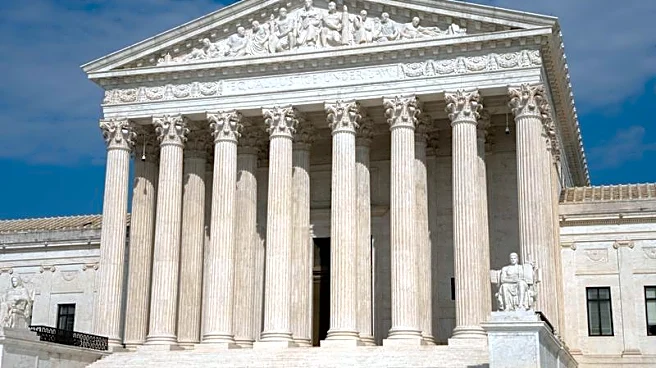
The Brazilian Supreme Court is expected to address the allegations against Justice Alexandre de Moraes in the coming days. Chief Justice Luiz Edson Fachin has stated he will announce next steps after analyzing the facts and following proper procedures. The court would need to vote to determine if de Moraes can be formally investigated, with Justice André Mendonca, who unsealed the documents, chairing the case. Pressure for de Moraes's resignation is likely to intensify from political figures and the media. If he does not resign, there could be calls for impeachment proceedings in the Senate. The unfolding situation will be closely watched by political leaders, legal experts, and the public, as it could have significant implications for the credibility and independence of Brazil's judiciary and its political stability.
Beyond the Headlines
This situation extends beyond immediate political and legal ramifications, touching upon deeper issues of judicial ethics and accountability in Brazil. The alleged links between a high-ranking justice and a disgraced banker raise fundamental questions about the transparency and integrity of judicial processes, particularly in a country with a history of corruption scandals. The public's perception of justice can be severely eroded when such allegations emerge, potentially leading to a crisis of confidence in governmental institutions. Furthermore, the timing of these revelations, ahead of national elections, could influence public discourse and voter sentiment, potentially exacerbating political divisions. The outcome of this controversy could either reinforce the need for stricter ethical guidelines and oversight within the judiciary or, if mishandled, further entrench cynicism about the impartiality of the legal system.