






What's Happening?
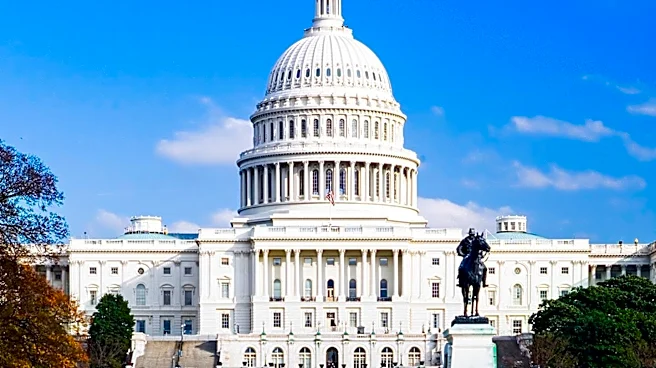
The U.S. House of Representatives has passed the Stopping Fraudulent Payments Act by a vote of 218-200. This legislation, introduced by House Oversight Committee Chairman James Comer (R-Ky.), aims to prevent government waste, fraud, and abuse by empowering
federal agencies to pause, condition, or segment suspicious payments before they are issued. The bill also grants the U.S. Treasury Department new authority to return flagged payment requests to agencies for further review, utilizing data from systems like the Do Not Pay database. This initiative seeks to shift the federal government's approach from a 'pay and chase' model, where funds are disbursed and then attempts are made to recover fraudulent payments, to a proactive prevention strategy. Republicans largely supported the bill, while most Democrats opposed it. House Budget Committee Chairman Jodey Arrington (R-Texas) co-sponsored the bill, emphasizing the need to safeguard taxpayer dollars.
Why It's Important?
This legislation is significant because it addresses the substantial financial losses incurred by the federal government due to fraudulent and improper payments. According to Government Accountability Office (GAO) estimates, improper payments are projected to reach $186 billion in fiscal year 2025, a $24 billion increase from the previous year, with cumulative losses since 2003 nearing $3 trillion. These figures represent a considerable drain on American taxpayers, potentially leading to higher taxes and increased national debt. By implementing proactive measures to verify eligibility and accuracy before payments are made, the act aims to ensure that federal benefits reach legitimate recipients and not scammers or criminals. The partisan divide in the vote highlights ongoing disagreements in Congress regarding the balance between government oversight and the efficiency of benefit distribution.
What's Next?
The Stopping Fraudulent Payments Act will now move to the Senate for consideration. If passed by the Senate and signed into law, federal agencies will be required to implement new protocols for payment processing, focusing on pre-payment verification. This could lead to a reduction in the billions of dollars lost annually to fraud and improper payments. The U.S. Treasury Department will also gain enhanced authority in reviewing payment requests. The passage of this bill is part of a broader Republican effort, including 11 Oversight Committee bills, aimed at protecting taxpayer funds and increasing government accountability. The outcome in the Senate will determine the future of this specific reform and its potential impact on federal spending integrity.
Beyond the Headlines
The debate surrounding the Stopping Fraudulent Payments Act touches upon fundamental questions of government efficiency, fiscal responsibility, and the role of federal programs. The 'pay and chase' system has long been criticized for its inefficiency and susceptibility to fraud, raising ethical concerns about the stewardship of public funds. This legislative shift towards proactive prevention could set a precedent for how federal agencies manage disbursements across various programs, from social services to student aid. It also underscores a broader political narrative about government accountability and the perceived misuse of taxpayer money, aligning with agendas focused on rooting out waste. The implementation of such measures could lead to increased scrutiny of federal program administration and potentially influence public trust in government operations.