



What's Happening?
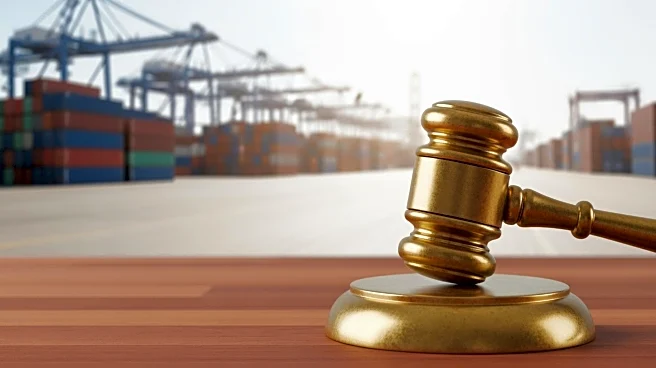
A Brazilian court has supported a proposal by the National Agency for Waterway Transport (Antaq) to structure the auction for a new port terminal concession in Santos, Brazil. The court's decision aligns with Antaq's plan to exclude current terminal operators
from the first round of bidding. This move is intended to foster competition and increase investment in the port, which is the largest in South America and is nearing its container capacity limit. The auction is anticipated to be the largest in Brazil's port history, potentially leading to the creation of the country's largest container terminal. Current operators, including Maersk, MSC, CMA CGM, and DP World, have expressed opposition to this structure, arguing it limits the project's potential. Despite their complaints, the court ruled in favor of Antaq's proposal, emphasizing the need for increased competition.
Why It's Important?
The decision to bar existing operators from the initial auction round is significant as it aims to break the current vertical integration in the port, where shipping companies control terminal operations. This could lead to increased competition and investment, potentially enhancing the port's capacity by 50%. The ruling could also set a precedent for how port concessions are managed in Brazil, impacting the strategies of major international shipping companies. If successful, the auction could attract significant foreign investment, with companies like China's COSCO Shipping and the Philippines' ICTSI expected to bid. This could reshape the competitive landscape of port operations in South America, affecting global shipping routes and logistics.
What's Next?
Antaq plans to launch the auction in the first quarter of 2026. However, there is a possibility of legal challenges from companies like Maersk, which may seek to block the auction structure. If the auction proceeds as planned, it could lead to substantial investments in the port's infrastructure, including the development of a new terminal with a 25-year concession. The outcome of this auction will be closely watched by international and local companies, as it could influence future port concession strategies in Brazil and beyond.