


What's Happening?
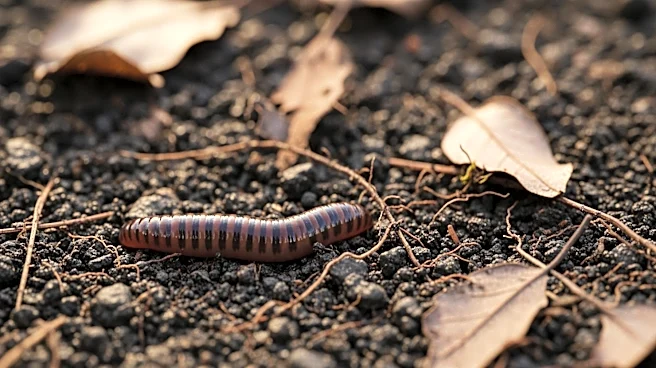
The Asian jumping worm, scientifically known as Amynthas agrestis, is spreading across the United States, now present in 38 states including New York, New Jersey, and Connecticut. These worms, which arrived in the U.S. in the early 1900s via potted plants
from the Far East, are known for their vigorous movement and ability to reproduce without a mate. They are characterized by their smooth, dark gray or brown bodies with a distinctive white band near the head. Unlike typical earthworms, Asian jumping worms consume large amounts of leaf litter and mulch, which can deplete soil nutrients and harm plant roots. This invasive species is often transported inadvertently through nursery stock and garden materials, making it difficult to control their spread.
Why It's Important?
The spread of Asian jumping worms poses a significant threat to local ecosystems and agriculture. By consuming the organic matter in the soil, these worms disrupt the nutrient cycle, leaving behind soil that resembles dry coffee grounds and is unsuitable for plant growth. This can lead to reduced agricultural productivity and harm to native plant species. The worms also outcompete native earthworm species, further destabilizing local ecosystems. The challenge in managing their spread is compounded by the fact that they are not yet officially recognized as invasive in many states, leading to a lack of regulatory focus and resources dedicated to their control.
What's Next?
Efforts to manage the spread of Asian jumping worms are ongoing, with scientists and environmental agencies working to understand their behavior and develop effective control measures. Homeowners and gardeners are advised to avoid moving soil and plant materials that may harbor these worms. If found, the worms should be sealed in a plastic bag and left in the sun before disposal. Public awareness and education are crucial in preventing further spread, and there may be increased calls for regulatory recognition of these worms as invasive to allocate more resources for their management.