

What's Happening?
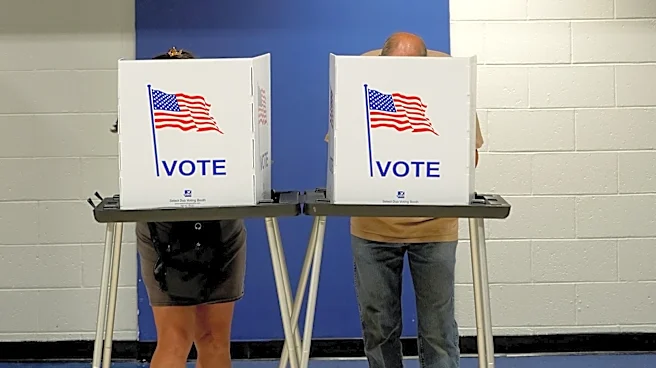
In Michigan's recent primary elections, voters approved several tax increases, including a public transit tax in Wayne County and an early childhood tax in Kalamazoo County. However, a school funding increase in Oakland County was narrowly defeated. The
elections featured nearly 900 proposals, with significant attention on public safety, education, and infrastructure funding. The results reflect a mixed response from voters, with some communities embracing tax hikes for specific initiatives while others rejected them.
Why It's Important?
The approval of these tax measures indicates a willingness among Michigan voters to invest in public services and infrastructure, particularly in areas like public transit and early childhood education. These decisions will have long-term implications for the affected communities, potentially improving access to essential services and enhancing quality of life. Conversely, the rejection of certain proposals, such as the school funding increase in Oakland County, highlights ongoing debates about resource allocation and fiscal priorities in the state.
What's Next?
With the passage of these tax measures, local governments and organizations will begin implementing the funded initiatives. In Wayne County, the new transit tax will expand services to additional communities, while Kalamazoo County will focus on increasing child care access. The outcomes of these initiatives will be closely monitored to assess their impact and effectiveness. Meanwhile, communities that rejected tax increases may need to explore alternative funding strategies to address their needs.