



What's Happening?
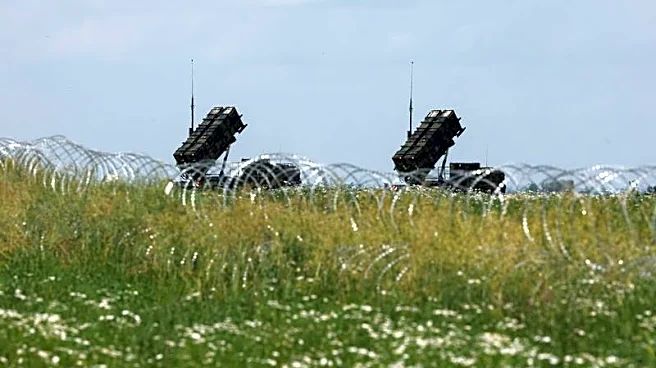
The U.S. Department of Defense is reaching out to major American automakers, including General Motors and Ford, to assist in the production of military equipment. This request comes as ongoing conflicts in Ukraine and the Middle East have led to a depletion
of military supplies. Senior Pentagon officials have initiated discussions with these companies to explore their potential role in expanding weapons production. The initiative is part of a broader strategy by the Trump administration to place the U.S. on a 'wartime footing,' supported by a proposed $1.5 trillion defense budget. The Pentagon is emphasizing the urgency of this request as a national security priority, seeking to leverage commercial solutions and technologies to maintain a military advantage.
Why It's Important?
This development highlights a significant shift in the U.S. defense strategy, reminiscent of the World War II era when American manufacturers were mobilized to support the war effort. The involvement of major automakers in military production could have substantial implications for the U.S. economy and the defense industrial base. It raises questions about the ability of these companies to quickly pivot from commercial to military production, the potential impact on their existing product lines, and the economic incentives required to facilitate this transition. The move underscores the administration's focus on strengthening national security through increased domestic production capabilities.
What's Next?
If the discussions between the Pentagon and automakers progress, it could lead to a significant retooling of manufacturing facilities to accommodate military production needs. This may involve substantial investments in new technologies and workforce training. The response from the automakers will be crucial in determining the feasibility and timeline of this initiative. Additionally, the broader defense industry and political leaders will likely weigh in on the implications of such a shift, considering both the economic and strategic dimensions.
Beyond the Headlines
The request for automakers to produce military equipment also raises ethical and logistical considerations. The historical precedent of World War II demonstrates the potential for rapid industrial mobilization, but it also highlights the challenges of balancing commercial and military production. The decision to involve non-defense companies in weapons manufacturing could spark debates about the role of private industry in national defense and the long-term impact on the U.S. manufacturing sector.