




What's Happening?
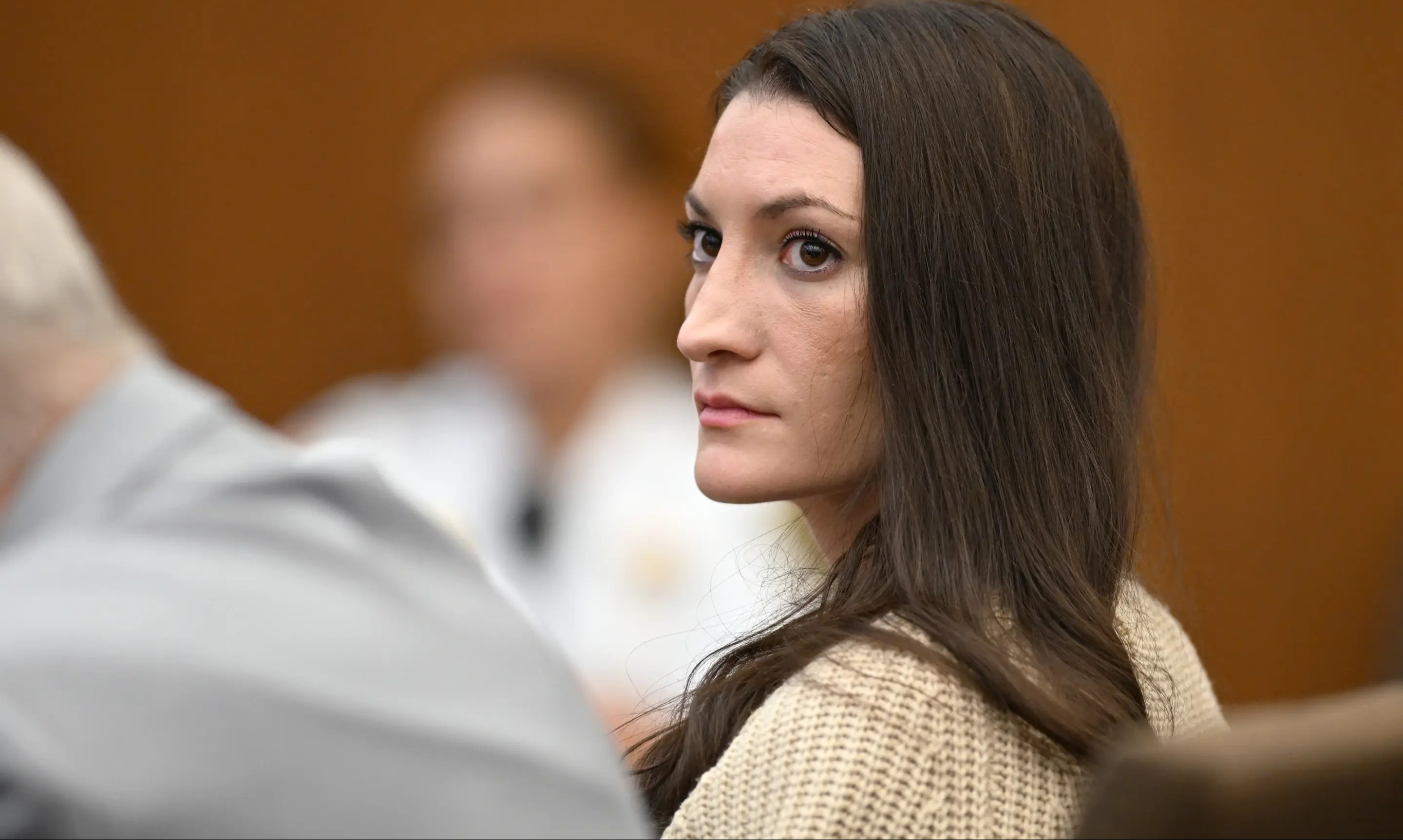
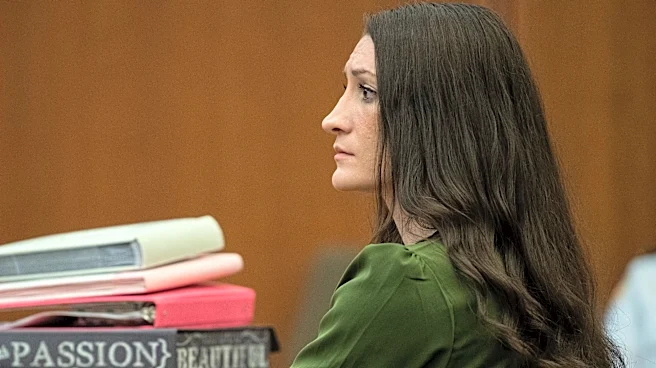
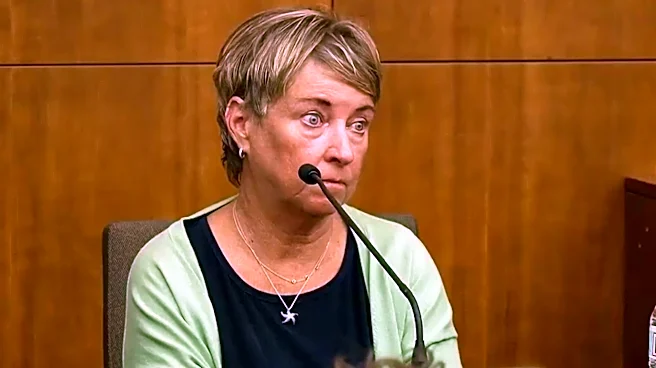
The defense has rested its case in the triple-murder trial of Lindsay Clancy, who is accused of fatally strangling her three children in January 2023. Clancy's defense team presented 10 witnesses, primarily mental health professionals, to argue that she
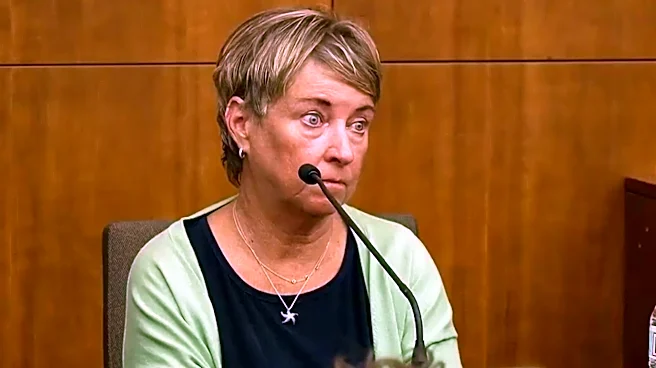
was suffering from postpartum psychosis at the time of the killings and should not be held criminally responsible. Forensic psychiatrist Dr. Phillip Resnick testified that Clancy was 'frankly psychotic' and believed she heard a voice commanding her to kill her children and herself, feeling her body was controlled by an external force. Clinical and forensic psychologist Paul Zeizel also stated that Clancy was experiencing psychosis and could not discern right from wrong, believing she was doing her children a favor by sending them to heaven. Prosecutors, however, contend that Clancy acted 'deliberately and meticulously' and manipulated her medical providers, despite acknowledging her mental health issues. Clancy has pleaded not guilty to three counts of murder.
Why It's Important?
This trial has ignited a national conversation about maternal and postpartum mental health, bringing critical attention to conditions like postpartum psychosis. The defense's argument centers on the rare but severe mental illness, challenging the traditional legal framework of criminal responsibility. The outcome could set a precedent for how the justice system addresses crimes committed by individuals suffering from extreme mental health conditions, particularly those related to childbirth. It highlights the urgent need for better understanding, diagnosis, and treatment of postpartum mental health disorders, and the potential consequences when these conditions are not adequately managed. The case also underscores the societal impact of such tragedies, prompting discussions among medical professionals, legal experts, and the public about the support systems available to new mothers.
What's Next?
Following the defense resting its case, prosecutors are now presenting rebuttal witnesses to counter the claims of postpartum psychosis. After the rebuttal phase, both sides will deliver their closing arguments. The jury will then deliberate on whether Lindsay Clancy is criminally responsible for the deaths of her children. If convicted, Clancy could face life in prison. However, if the jurors find she cannot be held criminally responsible due to her mental state, the court will likely initiate the process for her commitment to a psychiatric hospital. The verdict will have significant implications for how similar cases involving severe mental illness are handled in the future and will continue to fuel public discourse on maternal mental health and legal accountability.
Beyond the Headlines
The Lindsay Clancy trial delves into the profound ethical and societal questions surrounding mental illness and criminal culpability. The defense's portrayal of Clancy as a caring mother overwhelmed by a severe mental illness challenges the public's perception of 'evil' and forces a confrontation with the complexities of the human mind. The testimony about Clancy's struggle to communicate her symptoms due to fear of losing her children highlights a critical flaw in healthcare systems, where stigma and fear can prevent individuals from seeking necessary help. This case could influence policy changes regarding mandatory mental health screenings for new mothers, improved access to specialized care for postpartum disorders, and a re-evaluation of legal definitions of insanity in cases involving severe mental health crises. It also brings to light the immense grief and trauma experienced by all parties involved, including the family and the community.