





What's Happening?
Armenian Prime Minister Nikol Pashinyan stated that Armenia does not consider the presence of the Russian 102nd Military Base in Gyumri a 'vital necessity.' He clarified that Armenia would not object if Russia decided to withdraw the base, though he also
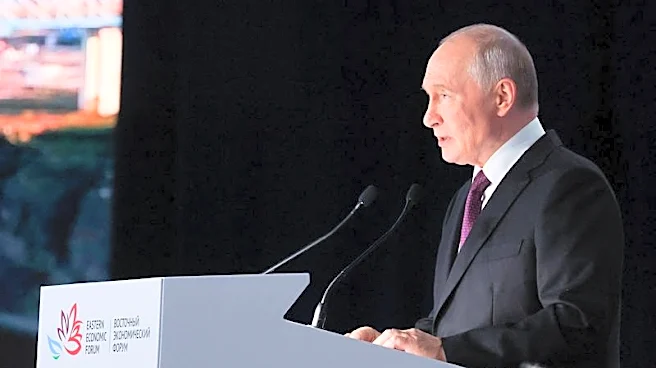
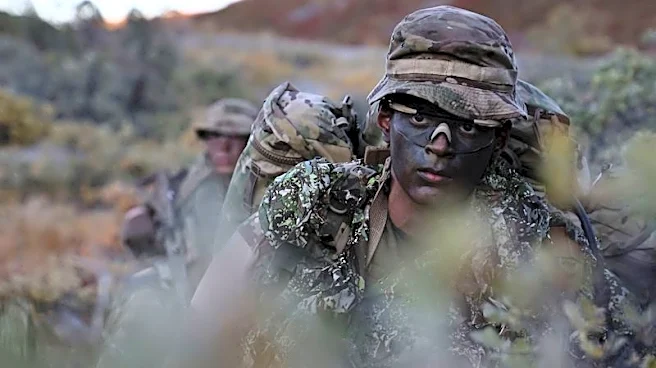
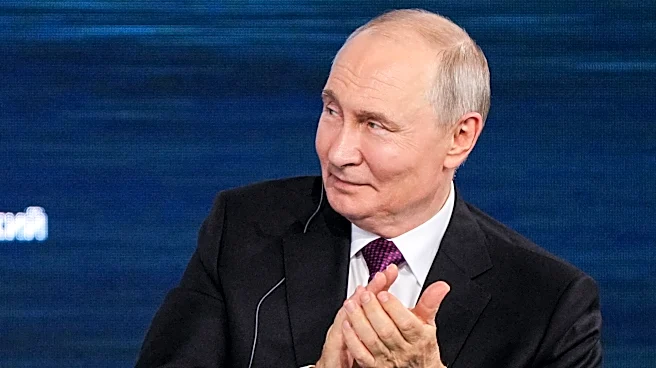
indicated a willingness to discuss its continued presence if Russia desired. This declaration follows a meeting between Pashinyan and Russian President Vladimir Putin, where Putin had suggested Russia was prepared to withdraw its military base if Armenia requested it. Pashinyan emphasized that neither he nor any Armenian official had initiated discussions about the base's withdrawal. The Russian base, established in the 1940s, houses over 3,000 Russian military personnel and has been a significant Russian military presence in the South Caucasus, though it has been involved in controversies, including crimes committed by Russian soldiers.
Why It's Important?
Prime Minister Pashinyan's statement marks a significant shift in Armenia's stance regarding its military alliance with Russia, signaling a potential re-evaluation of its security architecture. For decades, the Russian military base has been a cornerstone of Armenia's defense strategy and a symbol of its close ties with Moscow. This declaration could indicate Armenia's growing desire for greater strategic autonomy and a diversification of its security partnerships, potentially moving closer to Western alliances. The context of Russia's ongoing influence operations in Armenia, which aim to undermine trust in state institutions and deepen political polarization, makes Pashinyan's remarks particularly noteworthy. A potential withdrawal or renegotiation of the base's status could alter the geopolitical balance in the South Caucasus, impacting regional stability and the interests of other international actors.
What's Next?
The future of the Russian military base in Armenia is now open for discussion, with both countries acknowledging the possibility of its withdrawal or renegotiation. The Armenian government will likely continue to explore options for strengthening its national security independently or through new partnerships. Russia's response to Pashinyan's statement will be crucial, as it could either lead to a phased withdrawal or intensified negotiations to maintain its presence. This development could also influence Armenia's broader foreign policy, potentially accelerating its pivot towards European and Euro-Atlantic integration. The situation will be closely watched by regional and international powers, as it could have significant implications for the security landscape of the South Caucasus.
Beyond the Headlines
Pashinyan's statement reflects a deeper trend of Armenia seeking to reduce its economic, energy, and security dependencies on Russia. This move is part of a broader strategy to strengthen Armenia's resilience against foreign interference and to assert its sovereignty. The controversies surrounding the Russian base, including past criminal incidents, have likely contributed to a shift in public opinion and political will within Armenia. The potential withdrawal of the base could be a catalyst for Armenia to pursue more robust cybersecurity measures, tighter rules against covert foreign financing, and closer intelligence sharing with Western partners. This strategic reorientation, while challenging, could ultimately lead to a more independent and secure Armenia, albeit with potential short-term instability as it navigates away from its traditional security guarantor.