



What's Happening?
Indonesia’s National Alms Agency (Baznas) and the United Foundation for Global Development (UFGD) are exploring opportunities for humanitarian cooperation. This initiative, facilitated by the Embassy of Palestine in Jakarta, aims to strengthen humanitarian programs
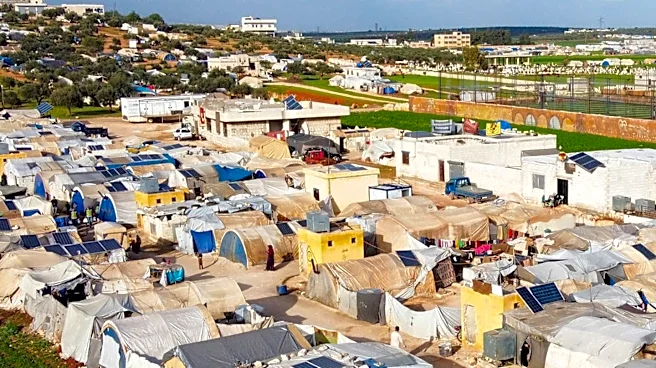
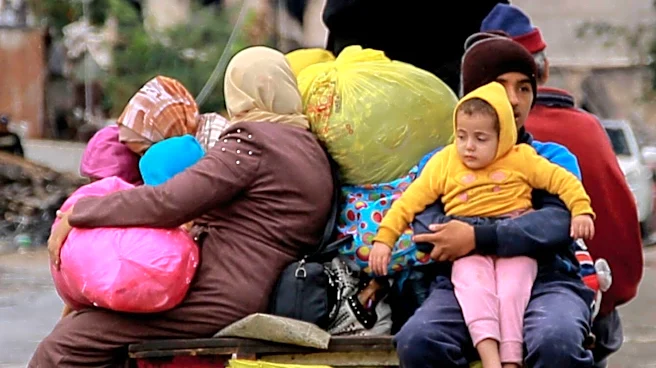
in Palestine and support social infrastructure development in Indonesia. Baznas Deputy Head Zainut Tauhid Sa’adi stated the agency's commitment to global humanitarian missions and expressed appreciation for the embassy's role in connecting them with UFGD. Baznas has a history of humanitarian programs for Palestine, including providing food, nutritional needs, temporary housing, health services, and scholarships for Palestinian students. The Palestinian Ambassador to Indonesia, Abdalfatah A.K. AlSattari, emphasized the importance of building connections for humanitarian and development programs and expressed hope for significant benefits from this collaboration. UFGD has also indicated its readiness to partner with Baznas to construct a mosque inspired by the Al-Aqsa Mosque design and assist in building boreholes in Indonesian regions needing better access to safe water, such as East Nusa Tenggara, which recently experienced a significant earthquake.
Why It's Important?
This collaboration signifies a growing commitment from Indonesian and international non-governmental organizations to address humanitarian crises and support development in vulnerable regions. For Palestine, the potential for strengthened humanitarian programs, including essential services and educational support, could significantly alleviate suffering and improve living conditions for its population. For Indonesia, the focus on social infrastructure development, particularly in areas affected by natural disasters like East Nusa Tenggara, highlights a proactive approach to community resilience and well-being. The involvement of the Palestinian Embassy underscores the diplomatic and international solidarity aspects of humanitarian aid, fostering stronger ties between nations through shared humanitarian goals. This partnership could serve as a model for future international collaborations, demonstrating how diverse organizations can pool resources and expertise to achieve a greater impact in addressing complex global challenges, from conflict-affected regions to disaster-prone areas.
What's Next?
Following the initial discussions, Baznas and UFGD are expected to formalize their cooperation through specific agreements outlining the scope and implementation of their joint humanitarian programs. This will likely involve detailed planning for initiatives in Palestine, such as the expansion of food, housing, health, and education support. In Indonesia, the focus will be on the construction of social infrastructure, including the proposed Al-Aqsa-inspired mosque and boreholes for water access in regions like East Nusa Tenggara. The Palestinian Embassy will likely continue its role in facilitating communication and coordination between the two organizations, ensuring that the aid effectively reaches its intended beneficiaries. Further announcements regarding project timelines, funding allocations, and specific community engagement strategies are anticipated as the partnership progresses. The success of these initial endeavors could pave the way for broader and more sustained humanitarian and development efforts in both regions.
Beyond the Headlines
This collaboration extends beyond immediate aid, touching upon deeper cultural and religious solidarity. The proposal to construct a mosque inspired by the Al-Aqsa Mosque in Indonesia symbolizes a profound connection to Palestinian heritage and religious sites, fostering a sense of shared identity and purpose. This initiative could strengthen interfaith dialogue and understanding, demonstrating how humanitarian efforts can be intertwined with cultural preservation and spiritual support. Furthermore, the focus on direct aid and social infrastructure development reflects a long-term vision for sustainable impact, moving beyond temporary relief to build lasting community resilience. The involvement of an international organization like UFGD, alongside a national agency like Baznas, highlights the increasing interconnectedness of global humanitarian networks and the potential for diverse actors to contribute to complex challenges. This partnership could also inspire other nations and organizations to engage in similar cross-border humanitarian endeavors, promoting a more collaborative and holistic approach to global aid.