





What's Happening?
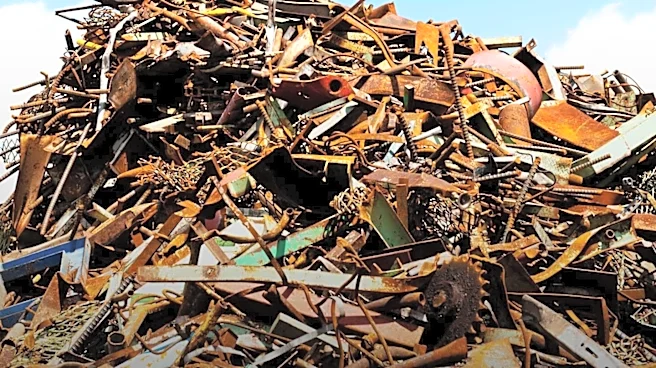
Work has commenced on the permanent closure of a 109-acre landfill in Bucksport, Maine, owned by Montreal-based scrap metal company American Iron & Metal (AIM). This action comes three years after the Maine Department of Environmental Protection (DEP)
ordered its closure due to non-compliance with operating permits. The landfill, which historically served Bucksport's former paper mill, was acquired by AIM following the mill's closure in 2014. The closure project is estimated to cost over $13.4 million. Despite local frustration and distrust stemming from AIM's previous attempts to delay closure and reopen the site, the initiation of work is seen as a positive development. However, doubts persist regarding the company's ability to meet the end-of-year closure deadline. The closure involves installing a cover system of sand, compacted soil, and topsoil, along with a gas management system and decommissioning a leachate storage pond. AIM also owns a dam on Silver Lake in Bucksport, which it is seeking to abandon, with ongoing discussions for potential transfer to a quasi-municipal watershed management district.
Why It's Important?
The closure of the Bucksport landfill is significant for environmental protection and community trust in Maine. The landfill has been a source of concern due to its non-compliance with environmental regulations and the discharge of PFAS-containing leachate into the Penobscot River. The long-awaited closure aims to mitigate ongoing environmental risks and address the legacy of industrial waste in the region. The situation highlights the challenges faced by communities when industrial sites are abandoned or change ownership, often leaving behind costly environmental liabilities. The involvement of the Maine DEP underscores the state's role in enforcing environmental standards and holding companies accountable. Furthermore, the ongoing discussions about the transfer of the Silver Lake dam to local control reflect a broader trend of communities seeking greater autonomy and responsibility over local environmental assets, particularly those with historical industrial ties.
What's Next?
Construction work on the Bucksport landfill closure is expected to continue with crews on-site during weekdays for the foreseeable future. Testing of soil sources has begun, and grading slopes, stripping topsoil, and placing sand are anticipated in the coming weeks. The Maine DEP will continue to monitor the project, and if American Iron & Metal misses the end-of-year deadline, the department will take appropriate action based on state non-compliance response guidelines, which could range from a warning letter to joint enforcement with federal, state, and local entities. Concurrently, conversations are ongoing regarding the potential transfer of the Silver Lake dam, with Bucksport residents expected to vote in November on whether to take ownership. This vote will determine the future management and responsibility for the dam, potentially shifting it from private to public control.
Beyond the Headlines
The Bucksport landfill closure and the Silver Lake dam discussions represent a microcosm of broader environmental and economic challenges in post-industrial communities across the U.S. The case highlights the complex interplay between corporate responsibility, environmental regulation, and local community interests. The discharge of PFAS into the Penobscot River, a focus of Maine Maritime Academy researchers, points to the long-term and often hidden environmental impacts of industrial activities, particularly the persistence of 'forever chemicals.' The community's strong opposition to AIM's previous attempts to reopen the landfill underscores the importance of local engagement and the power of collective action in shaping environmental policy. This situation also raises questions about the adequacy of existing legal and financial mechanisms, such as standby trust agreements and surety bonds, in ensuring that environmental liabilities are fully addressed when companies face financial difficulties or change their operational focus.