


What's Happening?
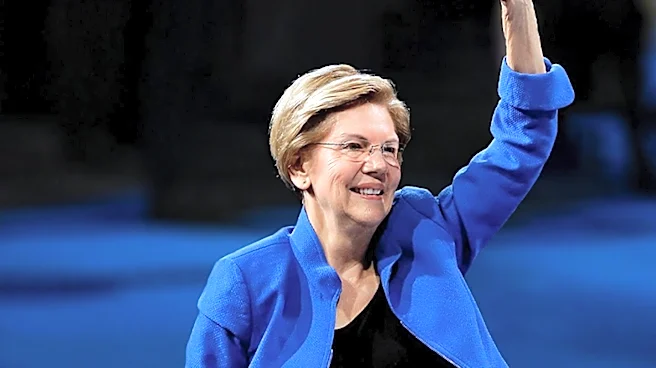
Minnesota Attorney General Ellison, alongside a bipartisan coalition of 16 attorneys general, has formally opposed the Digital Asset Market Clarity Act (Clarity Act). In a letter addressed to Senators Tim Scott and Elizabeth Warren, Chair and Ranking
Member of the U.S. Senate Committee on Banking, Housing, and Urban Affairs, the coalition expressed concerns that the proposed legislation would undermine states' abilities to protect investors from widespread cryptocurrency fraud and scams. The attorneys general argue that the Clarity Act, as currently drafted, would strip states of their crucial role as the primary defense against the growing cryptocurrency fraud epidemic. Since 2017, state enforcement actions have resulted in over 330 anti-fraud measures against scammers in the crypto ecosystem, leading to the shutdown of fraudulent schemes and securing justice for victims. The letter highlights that cryptocurrency transactions are often immediate, irreversible, and difficult to trace, making them an ideal tool for scammers. In Minnesota alone, losses from crypto-based scams have exceeded $10 million in the last 18 months, with nearly $1 million attributed to cryptocurrency kiosks, which were recently banned in the state.
Why It's Important?
This opposition is significant because it underscores a fundamental disagreement between state and potential federal regulatory approaches to the rapidly evolving cryptocurrency market. The attorneys general emphasize that state-level enforcement has been a vital tool in combating crypto fraud, filling gaps where federal or private recourse might be absent. The Clarity Act's potential to preempt state registration authorities and grant unprecedented power to the Securities and Exchange Commission (SEC) could disrupt the existing state securities regulatory framework, potentially weakening consumer protection efforts nationwide. The FBI reported $11.4 billion in cryptocurrency-related losses in 2025, a 22% increase from 2024, while the FTC reported $1.78 billion in losses, a 25.6% increase. These figures highlight the escalating financial impact of crypto scams, making robust and coordinated regulatory oversight critical. If states lose their authority, it could embolden bad actors and lead to more legal battles over enforcement, ultimately harming consumers and investors.
What's Next?
The letter from the attorneys general urges Congress to consider legislation that would preserve states' enforcement roles for both tokenized and non-tokenized securities, foster cooperation between federal and state governments, and codify states' roles as cryptocurrency regulators, including their registration regimes. They also call for clarification of ambiguous language within the Clarity Act to prevent it from being exploited by fraudsters. The ongoing debate surrounding the Clarity Act will likely involve further discussions and negotiations between state and federal lawmakers, as well as industry stakeholders. The outcome will determine the future landscape of cryptocurrency regulation in the U.S., impacting how digital assets are overseen and how consumers are protected from fraud. The coalition's strong stance indicates a continued push for a regulatory framework that maintains state-level oversight and collaboration.
Beyond the Headlines
The conflict over the Clarity Act reveals a broader tension in U.S. governance regarding emerging technologies: how to balance innovation with consumer protection, and the appropriate division of regulatory power between federal and state entities. The attorneys general's concerns highlight the practical challenges of regulating a decentralized and rapidly changing market like cryptocurrency, where transactions can cross state and international borders with ease. The push for state-level authority also reflects a belief that local regulators are often more agile and responsive to specific regional issues and consumer complaints. This debate could set a precedent for how other complex digital industries are regulated in the future, potentially influencing discussions on data privacy, artificial intelligence, and other areas where technological advancements outpace traditional legal frameworks. The ethical dimension of protecting vulnerable populations from sophisticated digital scams is also at the forefront, as the irreversible nature of many crypto transactions leaves victims with little recourse.