







What's Happening?
Probiotics are live beneficial microorganisms, primarily from the Lactobacillus and Bifidobacterium groups, that contribute to a balanced gut environment. They are commonly found in fermented foods such as yogurt, kimchi, and kefir. These microorganisms are known
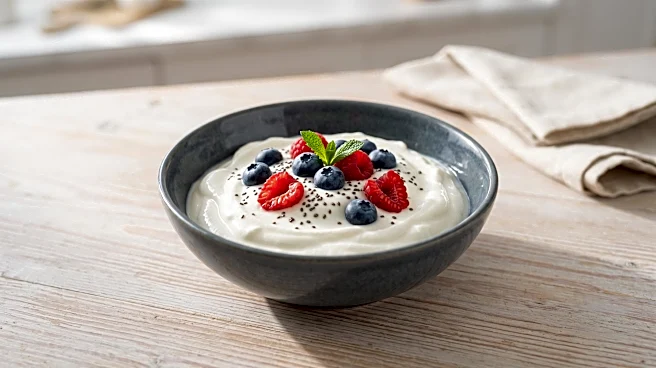
to aid in digestion and vitamin production. In contrast, prebiotics are non-digestible fibers that serve as nourishment for these beneficial bacteria, thereby promoting their growth and activity. While probiotics introduce new beneficial microbes to the gut, prebiotics support the existing microbial population. A combination of both, referred to as a synbiotic, can enhance the effectiveness of probiotics by providing immediate fuel for the bacteria. The vegan status of probiotics depends on whether their growth media, processing aids, capsule shells, coatings, or excipients are free from animal-derived materials. The distinction between probiotic and regular yogurt is significant; probiotic yogurt contains specific, identified strains of live microorganisms with documented health benefits, often listed with a CFU count, whereas regular yogurt primarily contains starter cultures that may not survive digestion or offer targeted benefits. The term 'probiotic' is not strictly regulated in the U.S., making label literacy crucial for consumers.
Why It's Important?
The increasing consumer interest in gut health highlights the importance of understanding the distinct roles of probiotics and prebiotics. For individuals seeking to improve digestive health, knowing the difference can lead to more effective dietary choices and supplement selections. The lack of strict regulatory definition for 'probiotic' in the U.S. means consumers must be diligent in reading labels to ensure they are purchasing products that genuinely offer the claimed benefits. This impacts the food and supplement industries, as companies can market products as 'probiotic' without independent verification, potentially leading to consumer confusion and ineffective purchases. For the healthcare sector, educating patients on strain-specific benefits and appropriate usage is crucial, especially for those with compromised immune systems or specific digestive issues like IBS, where certain strains may be more beneficial or even detrimental. The emphasis on whole foods as a primary source of prebiotics also underscores the broader public health message of a balanced, fiber-rich diet over sole reliance on supplements.
What's Next?
Consumers are advised to prioritize a varied, fiber-rich diet as a foundational step for gut health, with targeted probiotics considered for specific needs, such as during or after antibiotic use, or for certain digestive symptoms. When selecting probiotic products, it is recommended to look for specific strain information and Colony-Forming Unit (CFU) counts, rather than relying solely on general 'live cultures' claims. Medical advice should be sought for individuals with serious illnesses, compromised immune systems, gastrointestinal disorders, or those who are pregnant, before incorporating probiotic supplements. The ongoing research into the gut microbiome will likely lead to more personalized recommendations for probiotic and prebiotic intake, potentially through advanced microbiome testing. This will further refine understanding of how different foods and microbes interact with individual gut environments, influencing future product development and regulatory discussions in the U.S. food and supplement markets.
Beyond the Headlines
The nuanced understanding of probiotics and prebiotics extends beyond immediate digestive relief, touching upon long-term metabolic and immune health. The production of short-chain fatty acids (SCFAs) by gut microbes, fueled by prebiotics, is being studied for its links to metabolic regulation and inflammation, suggesting broader health implications. While research is still evolving, the potential for probiotics to influence immune responses and even mental health through the gut-brain axis opens new avenues for health interventions. However, the highly individualized nature of the gut microbiome means that responses to probiotics and prebiotics can vary significantly among individuals, highlighting the limitations of a 'one-size-fits-all' approach. This complexity also raises ethical considerations regarding marketing claims and the need for transparent, evidence-based information to prevent consumer misinformation. The shift towards personalized nutrition, potentially guided by microbiome analysis, represents a significant long-term trend that could reshape dietary recommendations and the supplement industry.