




What's Happening?
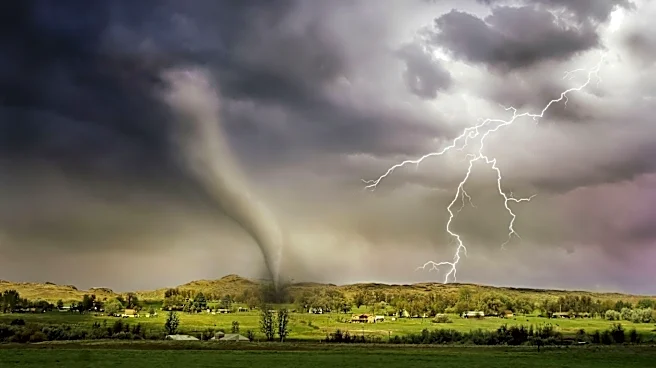
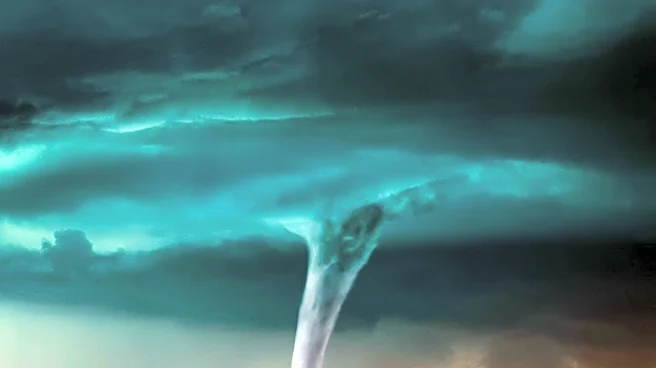
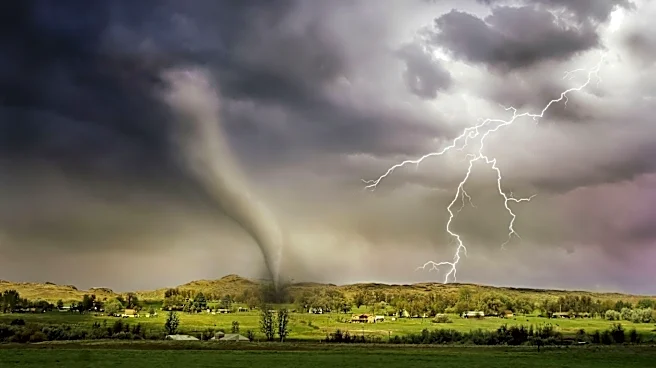
A magnitude 2.3 earthquake was detected in western Kentucky early Thursday morning, coinciding with a period of severe thunderstorms and a confirmed tornado in the region. According to FOX 17 News Meteorologist Greg Bobos, the earthquake occurred near
an area where a tornado had been confirmed on the ground. Despite the unusual timing of these two natural phenomena, there is currently no indication of a direct connection between the earthquake and the severe weather. The National Weather Service had issued multiple warnings as the storms moved through the area. This event highlights a rare convergence of atmospheric and geological activity in the same general vicinity, creating a complex natural event for residents of western Kentucky.
Why It's Important?
This event is important due to the simultaneous occurrence of an earthquake and severe weather, which, while not directly linked, presents a unique challenge for emergency response and public safety. Western Kentucky is situated near the New Madrid Seismic Zone, a region known for its seismic activity and considered the most seismically active area in the United States east of the Rocky Mountains. The detection of even a minor earthquake during a severe weather event can cause heightened anxiety and confusion among the populace. It also underscores the need for comprehensive disaster preparedness plans that account for multiple types of natural hazards, ensuring that communities are resilient to diverse threats. Understanding the distinct nature of these events, despite their concurrent timing, is crucial for accurate public information and effective emergency management.
What's Next?
Authorities will continue to monitor both seismic and atmospheric activity in western Kentucky. The U.S. Geological Survey will likely analyze data from the earthquake to better understand its characteristics and potential implications for the New Madrid Seismic Zone. Local emergency services will review their response protocols to assess how effectively they managed the simultaneous threats of severe weather and seismic activity. Public awareness campaigns may be initiated to educate residents on the distinct nature of earthquakes and severe storms, and how to prepare for each. Further research into the New Madrid Seismic Zone's activity will remain ongoing, contributing to long-term hazard assessments for the region. The focus will be on enhancing preparedness and response capabilities for future natural events.
Beyond the Headlines
The simultaneous occurrence of an earthquake and severe weather in western Kentucky raises broader questions about the psychological impact of multiple natural disasters on communities. While scientifically unrelated, the perception of such events happening concurrently can amplify fear and stress. This situation also highlights the complex interplay of natural forces and the challenges in communicating distinct hazards to the public during a crisis. It underscores the importance of clear, concise, and accurate information dissemination to prevent misinformation and panic. Furthermore, it may prompt a re-evaluation of infrastructure resilience in areas prone to both seismic activity and extreme weather, encouraging the development of more robust building codes and emergency systems capable of withstanding diverse environmental pressures. The event serves as a reminder of nature's unpredictable power and the continuous need for vigilance and adaptation.