


What's Happening?
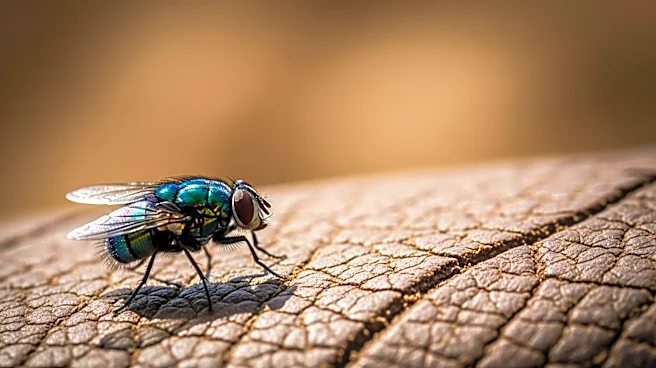
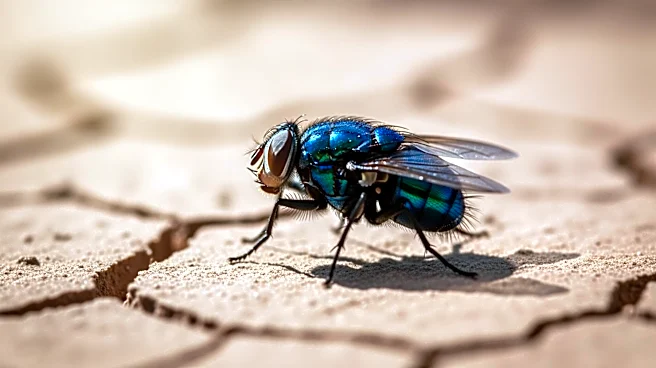
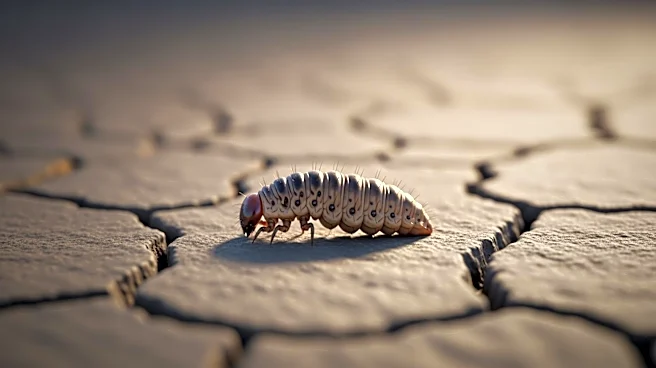
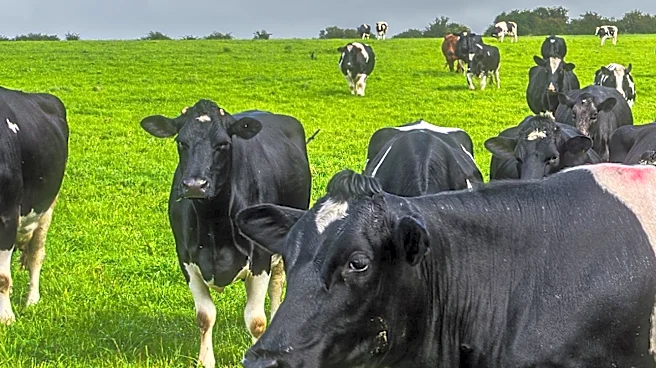
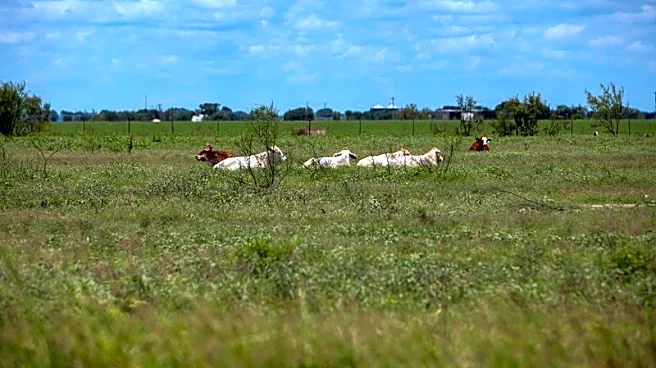
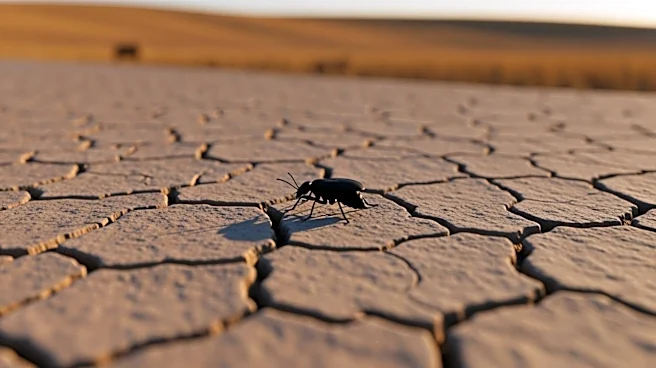
The New World screwworm, a parasitic fly larva known for its flesh-eating capabilities, has prompted agricultural authorities in South Texas to establish a quarantine zone following a recent case in a calf. The screwworm larvae feed on the living tissue
of warm-blooded animals, posing a significant threat to livestock, particularly cattle. This development marks the first case in Texas since 1966, raising alarms within the cattle industry due to the potential for economic impact. The larvae's life cycle involves laying eggs in open wounds, where they hatch and burrow into the host's flesh. Despite the alarming nature of the screwworm, experts emphasize that the risk to humans is minimal, provided that infected animals are quarantined and proper precautions are taken.
Why It's Important?
The reemergence of the New World screwworm in Texas is significant due to its potential impact on the cattle industry, which is a vital component of the U.S. agricultural sector. The economic implications are considerable, as past infestations have led to substantial financial losses. The quarantine measures aim to prevent the spread of the screwworm to other animals, including pets and wildlife, which could exacerbate the situation. While the threat to human health is low, the presence of the screwworm underscores the importance of vigilance and effective management strategies to protect livestock and maintain industry stability.
What's Next?
Agricultural authorities will continue to monitor the situation closely, enforcing quarantine measures to contain the screwworm outbreak. Efforts will focus on preventing the spread to other regions and minimizing the impact on the cattle industry. Stakeholders, including ranchers and industry leaders, are likely to advocate for increased funding and resources to support eradication efforts. Public awareness campaigns may be initiated to educate livestock owners on preventive measures and the importance of reporting suspected cases promptly.