

What's Happening?
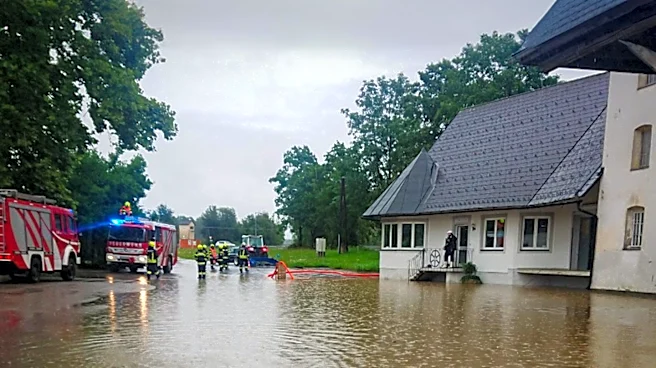
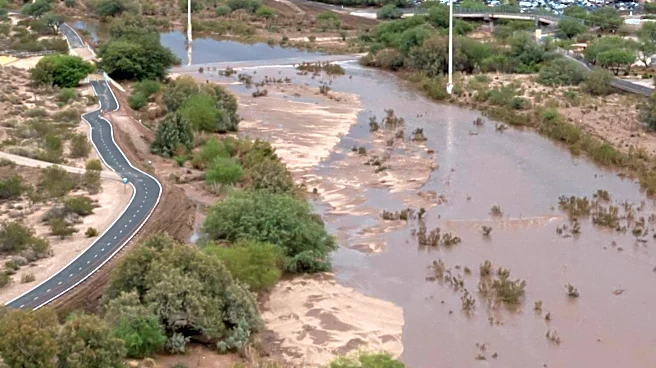
Following devastating floods on November 1, Flagstaff Mayor Becky Daggett and City Manager Joanne Keene traveled to Washington D.C. to advocate for the advancement of the Rio de Flag Flood Control Project. They met with the U.S. Army Corps of Engineers,
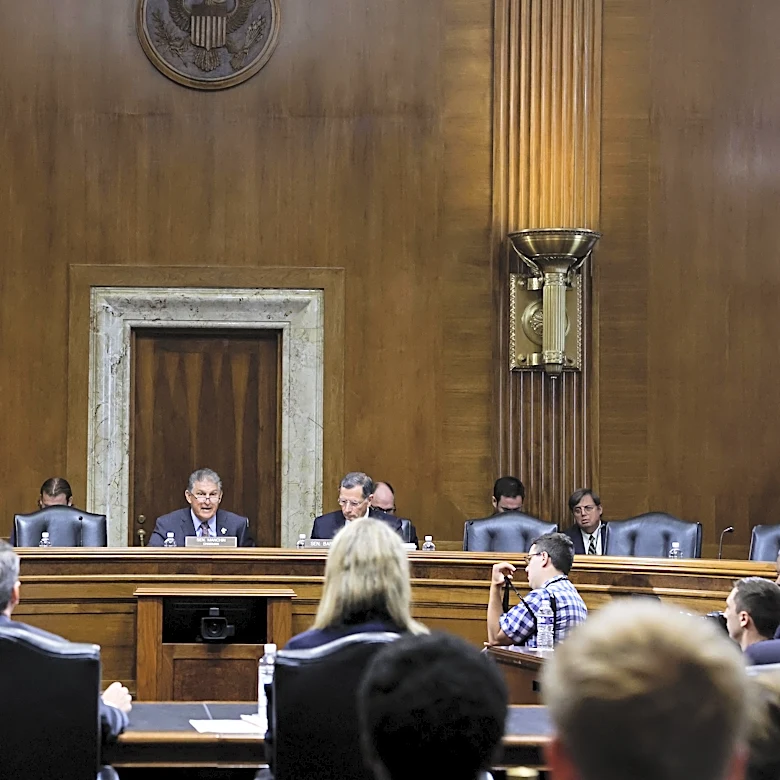
emphasizing the critical need to maintain the project's established schedule and move it into construction without further delays. The City of Flagstaff has invested significant resources and time into this project in partnership with the Corps, viewing it as a pressing public safety necessity rather than just a long-term infrastructure priority. U.S. Senators Mark Kelly and Ruben Gallego, along with Representatives Greg Stanton and Eli Crane, have also sent a letter to the Corps, urging the agency to prioritize all remaining requirements to push the project forward. The city remains committed to collaborating with federal partners to expedite this crucial project.
Why It's Important?
The push for the Rio de Flag Flood Control Project highlights a critical issue of public safety and infrastructure resilience in U.S. communities vulnerable to natural disasters. The repeated flooding events in Flagstaff underscore the economic and social costs associated with delayed infrastructure projects. For residents, the project's completion means enhanced protection against future floods, safeguarding homes, businesses, and lives. For local and federal governments, it represents a commitment to proactive disaster mitigation and responsible resource allocation. Delays in such projects can lead to increased emergency response costs, property damage, and potential loss of life, placing a significant burden on taxpayers and local economies. The involvement of congressional leaders signifies the project's recognition at a national level as a vital component of regional stability and safety.
What's Next?
The City of Flagstaff will continue to work with its federal partners, including the U.S. Army Corps of Engineers, to ensure the Rio de Flag Flood Control Project advances as quickly as possible. The collective pressure from local leadership and the Arizona congressional delegation aims to accelerate the project's timeline, moving it from planning stages to active construction. Future steps will likely involve ongoing negotiations and coordination between the city and federal agencies to address any remaining requirements or bureaucratic hurdles. The community will be closely watching for progress, as the recent floods have amplified the urgency for a permanent flood control solution. The city's commitment suggests sustained advocacy until the project is fully implemented, aiming to prevent further devastation from future flood events.
Beyond the Headlines
The situation in Flagstaff reflects a broader national challenge concerning aging infrastructure and the increasing frequency and intensity of extreme weather events due to climate change. The emphasis on the Rio de Flag project underscores the ethical imperative for governments to protect their citizens from foreseeable hazards. Beyond immediate flood control, such projects often involve complex environmental considerations, land use planning, and community engagement. The long-term implications include not only physical protection but also the psychological well-being of residents who live under the constant threat of flooding. This case also highlights the intricate dance between local needs and federal funding and prioritization, where political will and inter-agency cooperation are crucial for translating urgent local demands into tangible protective measures.