
What's Happening?
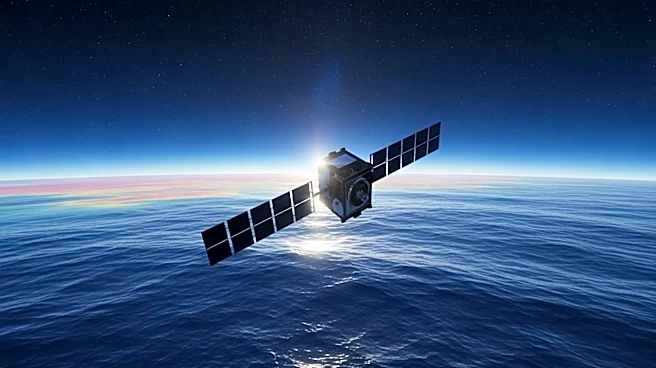
The Sentinel-6 Michael Freilich satellite, part of an international mission, has detected a warm Kelvin wave in the Pacific Ocean, indicating the potential onset of an El Niño event. Data collected from
March to May 2026 shows higher, warmer water moving from the western Pacific Ocean to the coasts of Colombia, Ecuador, and Peru. This phenomenon, characterized by elevated sea levels and increased temperatures, can significantly alter atmospheric circulation patterns, affecting global weather conditions. The Sentinel-6 mission, developed by ESA, EUMETSAT, NASA, and NOAA, aims to monitor sea level changes and their implications for climate and weather patterns.
Why It's Important?
The detection of a Kelvin wave by the Sentinel-6 satellite is crucial as it signals the potential development of an El Niño event, which can have widespread impacts on global weather patterns. El Niño can lead to increased precipitation in some regions and droughts in others, affecting agriculture, water resources, and economies worldwide. Understanding these changes is vital for preparing and mitigating the effects on communities and industries. The collaboration between international space agencies highlights the importance of global efforts in monitoring and responding to climate phenomena.
What's Next?
As the Kelvin wave progresses, scientists will continue to monitor its development and potential transition into an El Niño event. This will involve further analysis of sea level and temperature data to predict the event's impact on global weather patterns. Agencies involved in the Sentinel-6 mission will likely issue updates and advisories to help governments and industries prepare for potential changes in weather conditions. The ongoing collaboration between international partners will be essential in providing accurate forecasts and developing strategies to mitigate the effects of El Niño.