





What's Happening?
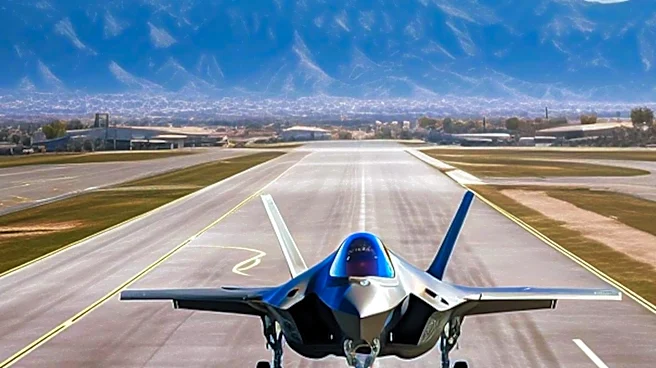
Democratic Congressman George Whitesides and Republican Congressman Jay Obernolte have introduced the bipartisan PILOT Act, aimed at expanding job opportunities for civilian pilots and engineers trained at local flight schools. The legislation seeks to
address the additional waiver process that civilian-trained flight test professionals must undergo when applying for military flight testing positions. This process currently acts as a barrier for candidates from civilian flight schools. The PILOT Act mandates a review of the military's current test pilot capacity and explores the possibility of altering the waiver policy to reduce these barriers. The initiative is intended to leverage local talent and support the military's flight testing needs by potentially integrating graduates from accredited civilian test pilot schools into military roles.
Why It's Important?
The introduction of the PILOT Act is significant as it addresses the bureaucratic hurdles faced by civilian-trained flight test professionals, potentially opening up new career paths in military aviation. By facilitating the integration of civilian-trained pilots into military roles, the Act could enhance the military's testing capabilities and support the aerospace industry's growth. This move could also strengthen the local economy by creating high-quality job opportunities for graduates of accredited flight schools. Additionally, it aligns with broader efforts to streamline military operations and leverage domestic talent, which is crucial for maintaining the U.S.'s competitive edge in aerospace innovation.
What's Next?
The Department of Defense is tasked with reviewing the current test pilot capacity and evaluating the potential for civilian-trained pilots to support military test activities. This review will determine whether changes to the waiver policy are feasible and beneficial. If successful, the PILOT Act could lead to policy adjustments that facilitate greater collaboration between civilian flight schools and military testing programs. Stakeholders, including local flight schools and defense contractors, are likely to monitor the progress of this legislation closely, as it could impact training programs and employment opportunities in the aerospace sector.