






What's Happening?
Approximately one in three American adults suffers from metabolic syndrome, a cluster of conditions including high blood pressure, abdominal obesity, high blood sugar, high triglycerides, and low 'good' HDL cholesterol, according to the National Heart,
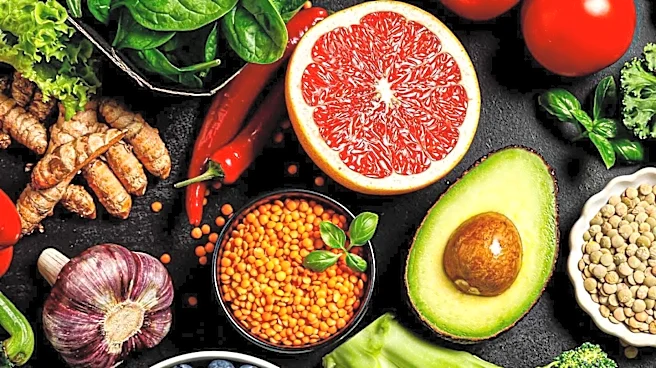
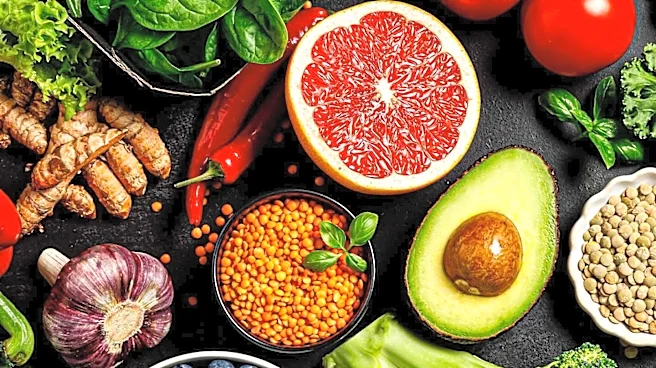
Lung, and Blood Institute (NHLBI). Recent research indicates that chronic inflammation plays a significant role in the development of this syndrome. An anti-inflammatory eating plan, focusing on whole, nutrient-rich, antioxidant-packed foods while avoiding processed foods and added sugars, is being highlighted as a beneficial strategy. Such diets, including the DASH diet and Mediterranean-style diets, emphasize lean proteins, fiber sources like quinoa and lentils, and a wide array of colorful vegetables and fruits. Spices like turmeric and ginger are also recommended for their natural anti-inflammatory properties. The goal is to reduce inflammation, which can lead to various serious diseases beyond metabolic syndrome, such as rheumatoid arthritis and psoriasis.
Why It's Important?
The prevalence of metabolic syndrome in the U.S. population underscores a significant public health challenge, with chronic inflammation identified as a key contributing factor. Adopting anti-inflammatory dietary patterns offers a proactive approach to managing and potentially reversing this condition, thereby reducing the risk of associated serious health issues. This dietary shift can lead to improved heart health, better blood pressure and blood sugar control, and enhanced overall well-being. For individuals, it means a potential reduction in reliance on medications and a greater sense of control over their health. For the healthcare system, widespread adoption of these dietary principles could lead to a decrease in the burden of chronic diseases, lowering healthcare costs and improving the quality of life for millions of Americans. The emphasis on whole foods also supports local agriculture and healthier food systems.
What's Next?
Individuals diagnosed with metabolic syndrome or those at risk are encouraged to consult with healthcare providers, such as Registered Dietitians/Nutritionists (RDNs), before initiating any new diet plan. This ensures the plan aligns with their specific health situation, provides adequate nutrients, and avoids potential interactions with medications. Continued research is expected to further elucidate the precise links between chronic inflammation and metabolic disorders, potentially leading to more targeted dietary recommendations. Public health campaigns may increasingly promote anti-inflammatory eating as a preventative measure against metabolic syndrome and other chronic diseases. The food industry might also respond by offering more anti-inflammatory food options and clearer labeling to help consumers make informed choices.
Beyond the Headlines
The focus on anti-inflammatory diets extends beyond just managing metabolic syndrome; it represents a broader shift towards understanding food as medicine and the intricate connection between diet and chronic disease. This approach challenges the conventional reliance on pharmaceutical interventions alone, promoting a holistic view of health. It also highlights the importance of nutritional education and access to healthy, affordable whole foods for all segments of the population. The emphasis on antioxidants and phytochemicals found in colorful fruits and vegetables underscores the ecological benefits of diverse agricultural practices. Furthermore, the discussion around chronic inflammation brings to light the impact of modern dietary patterns, often characterized by processed foods and high sugar content, on long-term health, prompting a reevaluation of societal food consumption habits.