







What's Happening?
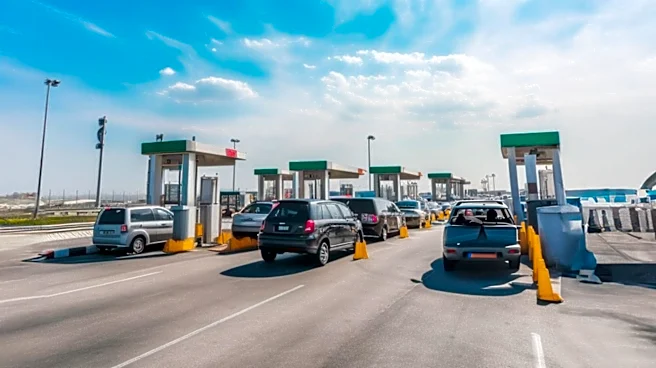
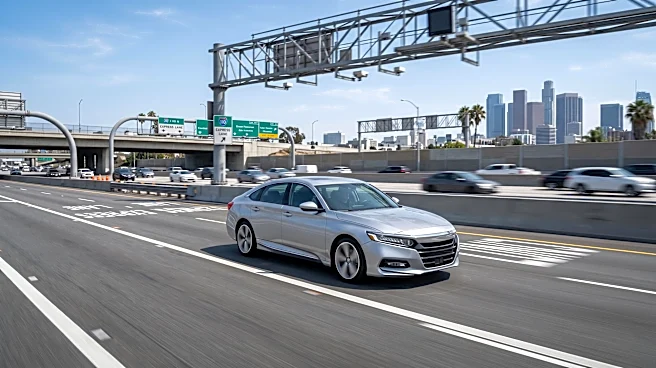
In Los Angeles, FasTrak Express Lanes on major corridors like I-10 and I-110 utilize electronic tolling with variable pricing based on traffic congestion. Unlike personal vehicles where drivers manage their own FasTrak accounts, rental cars present a different
billing dynamic. When a rental car uses an Express Lane, the toll is initially associated with the rental company's vehicle. The rental company then bills the renter, often days or weeks after the rental period, for the toll amount plus administrative or convenience fees. This process can lead to unexpected charges appearing on a renter's statement long after the car has been returned. Renters are advised to clarify the rental company's specific toll program, including whether a transponder is present, how fees are calculated, and when charges will be posted, to avoid surprises.
Why It's Important?
The billing practices for FasTrak Express Lanes in rental cars in Los Angeles have significant implications for consumer transparency and satisfaction. The delayed and often opaque nature of these charges can create frustration and distrust among renters, who may not anticipate additional fees after their trip. For the rental car industry, managing these complex tolling systems and communicating them effectively to customers is crucial for maintaining a positive customer experience and avoiding disputes. The issue also highlights a broader challenge in the integration of modern infrastructure technologies with existing service models, where the convenience of electronic tolling can be overshadowed by confusing billing processes. This situation underscores the need for clearer communication and potentially more standardized practices across rental companies and toll authorities.
What's Next?
To address the confusion and unexpected charges, rental car companies may need to implement more transparent and immediate billing systems for tolls, or provide clearer explanations of their toll programs at the point of rental. Renters are encouraged to proactively ask detailed questions about toll policies, transponders, and fees before driving off. Navigation apps could also evolve to offer more precise information about express lane costs and billing methods for rental vehicles. As electronic tolling becomes more prevalent, there may be a push for industry-wide standards or consumer protection regulations to ensure fair and understandable billing practices for all road users, especially those in rental vehicles.
Beyond the Headlines
The challenges with FasTrak Express Lane billing for rental cars in Los Angeles point to a larger issue of how technology-driven services intersect with consumer expectations and regulatory frameworks. While dynamic pricing in express lanes aims to optimize traffic flow and generate revenue for infrastructure, the implementation details can create unintended burdens for consumers. This scenario also touches upon the ethical considerations of service fees, where administrative charges can sometimes outweigh the actual cost of the service provided. The ongoing evolution of smart city infrastructure will likely continue to present similar integration challenges, requiring a balance between technological advancement, economic efficiency, and consumer protection to ensure equitable and transparent access to public services.