




What's Happening?
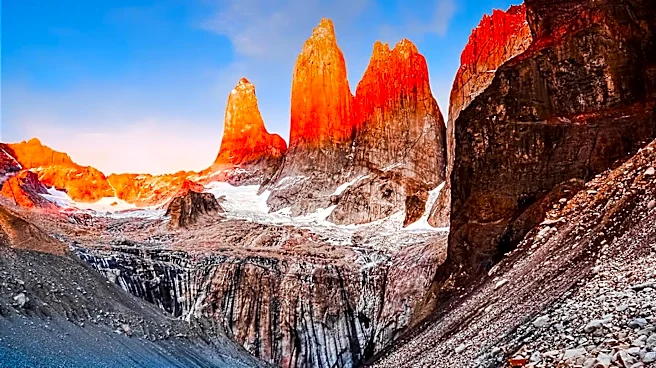
Ecotourism is proving to be a vital tool for economically sustainable conservation efforts in Chilean Patagonia. The region has a long history of successful ecotourism, attracting numerous travelers who engage in activities like hiking, climbing, fishing,
and kayaking. According to Juan José Donoso, TNC’s country director in Chile, over half of visitors cite nature as their primary reason for visiting the country. This form of tourism can serve as a crucial long-term sustainable finance mechanism, especially when it directly benefits local communities and the nation. By fostering partnerships with tourism operators and local landowners, organizations like TNC have developed self-sustaining projects that preserve ecosystems. This approach ensures that revenue generated from global visitors contributes directly to the conservation of the natural sites they come to experience. The model integrates conservation with economic development, providing alternatives to destructive activities like illegal logging and creating new job opportunities for residents.
Why It's Important?
The success of ecotourism in Chilean Patagonia highlights a significant model for conservation finance that could be replicated globally. By demonstrating that protected areas can advance both conservation and economic development, it offers a pathway for regions to safeguard natural resources while simultaneously empowering local communities. This approach transforms natural landscapes from potential sites of exploitation into valuable assets that generate sustainable income. The involvement of local populations, who become allies in conservation due to direct economic benefits, is crucial. This model also attracts private investment and partnerships, as seen with companies like Explora, which are integrating real estate development with land protection to create financially self-sustaining private protected areas. The economic value of wildlife, such as pumas, shifts from being perceived as a threat to livestock to a significant tourist attraction, further incentivizing conservation.
What's Next?
The model of integrating ecotourism with conservation is expected to expand, with initiatives like Explora's plan to create a repeatable template for market-driven conservation across 2.5 million acres over the next decade. This expansion will likely involve continued partnerships between conservation organizations, local communities, and private tourism operators. Future efforts will focus on ensuring that tourism remains an economic opportunity without threatening existing ways of life or cultural heritage. There will be an ongoing emphasis on developing ecotourist-related services, such as guided hikes, wildlife viewing, and gastronomic tours, that are deeply connected to local culture and sustainable practices. The goal is to further solidify the relationship between tourism and conservation, ensuring that the ultimate objective of protecting the natural world is consistently met while providing economic stability for local populations.
Beyond the Headlines
The success of ecotourism in Chilean Patagonia points to a broader paradigm shift in how conservation can be funded and sustained. It underscores the ethical imperative of involving local communities as active participants and beneficiaries, rather than passive observers, in conservation efforts. This model challenges traditional conservation approaches that sometimes alienate local populations. Furthermore, it highlights the cultural dimension of conservation, where the preservation of traditional ways of life and local heritage becomes intertwined with environmental protection. The long-term implications include the potential for a global network of self-sustaining protected areas that are economically viable and socially equitable, fostering a deeper connection between human well-being and ecological health. This approach could also influence public policy towards more integrated conservation and development strategies, recognizing the intrinsic link between economic prosperity and environmental stewardship.