

What's Happening?
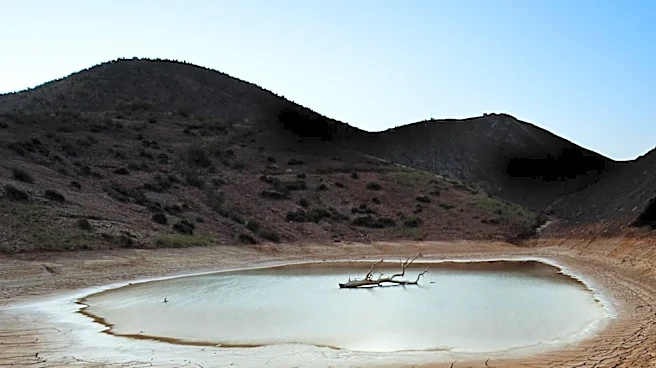
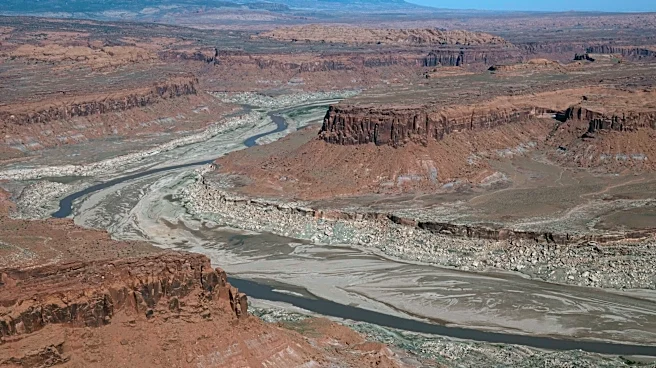
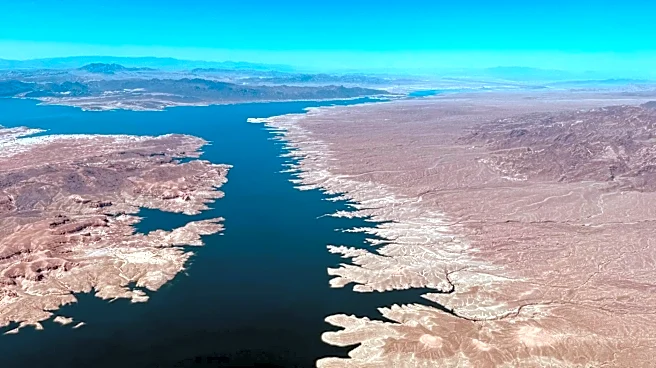
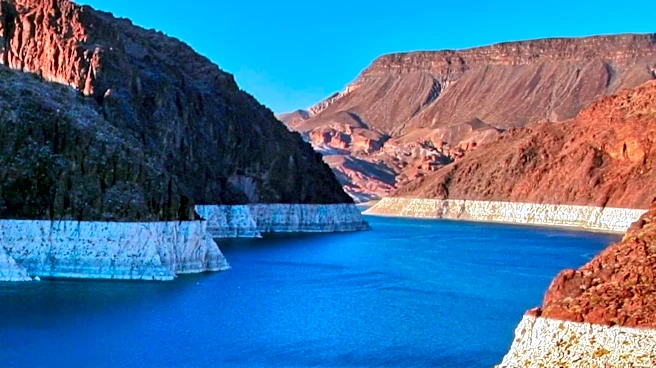
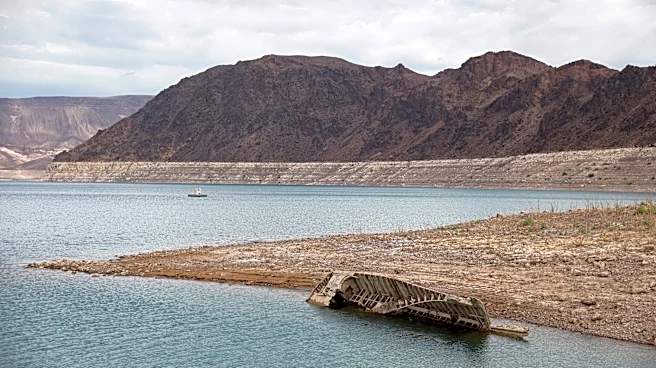
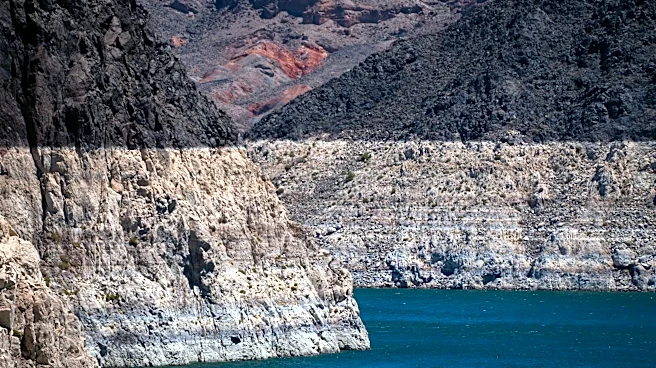
Lake Mead, the largest reservoir in the United States, has reached its lowest water level since its creation nearly 90 years ago. The reservoir, located on the Arizona-Nevada border, recorded a water level of 1,040.4 feet above sea level, slightly below
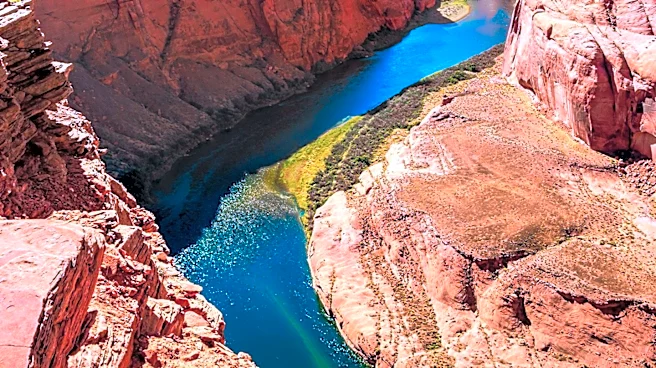
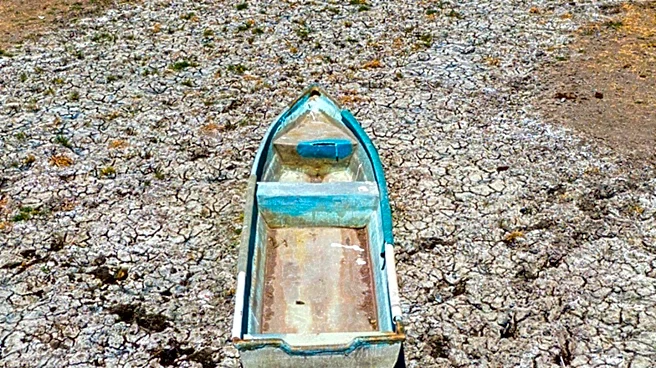
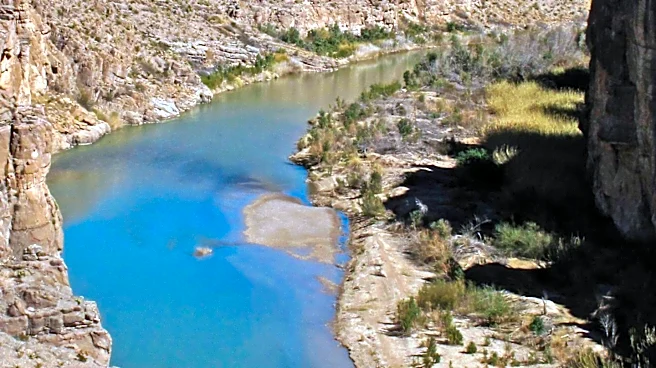
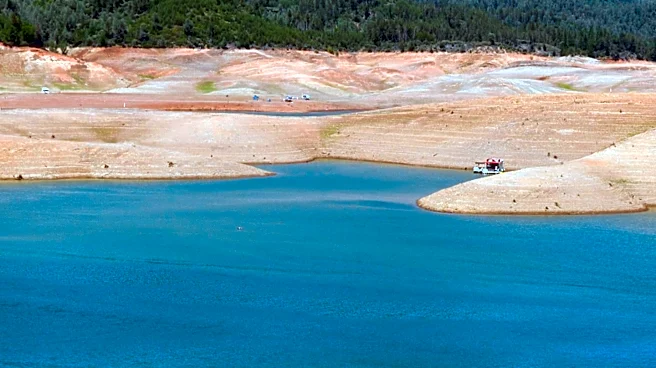
the previous record set in July 2022. This development is part of a broader water crisis affecting the Colorado River, which supplies water to approximately 40 million people across seven U.S. states, tribal nations, and Mexico. The river is under significant stress due to overuse, prolonged drought, and insufficient snowmelt. Lake Powell, another major reservoir on the Colorado River, is also experiencing historically low levels. The situation has prompted federal officials to propose water use reductions for states relying on the river.
Why It's Important?
The declining water levels in Lake Mead and Lake Powell highlight a critical water crisis in the American West, affecting millions of people and vast agricultural areas. The Colorado River is a vital water source for urban centers, farms, and industries, and its depletion poses significant risks to water security and economic stability in the region. The crisis underscores the urgent need for sustainable water management practices and cooperation among states to address the challenges posed by climate change and resource overuse. The situation also threatens hydropower production, which could impact energy supplies and costs.
What's Next?
Federal officials are expected to release a detailed plan to manage the Colorado River's dwindling resources, focusing on water use reductions for the Lower Basin states of Arizona, California, and Nevada. The plan aims to provide flexibility, allowing for deeper cuts during drier periods while encouraging states to collaborate on long-term solutions. However, experts warn that the proposed measures may not be sufficient to resolve the underlying issues. Continued monitoring and adaptive management will be crucial as the region faces ongoing drought conditions and increasing water demands.