






What's Happening?
Adir Hajaj, a former IDF commando, has returned to his family farm in Moshav Gilat to help secure the future of Israeli agriculture. With the average age of Israeli farmers around 60, the industry faces challenges in maintaining food security. Hajaj, who
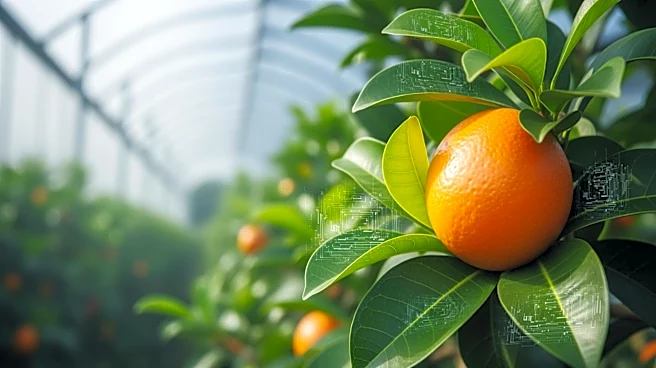
served in the elite Givati Reconnaissance Unit, was motivated by his father's need for support and has since developed a passion for farming. He now manages the economic, operational, and logistical systems of the farm, which spans 100 acres of greenhouses, orchards, and field crops. The farm faced a crisis during Hajaj's military service due to labor shortages, but was supported by volunteers and the nonprofit Leket Israel, which helps redirect surplus produce to those in need.
Why It's Important?
Hajaj's decision to return to farming highlights the critical need for younger generations to engage in agriculture to ensure food security in Israel. The partnership with Leket Israel underscores the importance of community support in times of crisis, helping to prevent food waste and provide for those in need. This initiative not only aids in sustaining the agricultural sector but also strengthens societal resilience by fostering a culture of giving and cooperation. The story reflects broader challenges faced by the agricultural industry, including aging workforces and the need for innovative solutions to maintain productivity and sustainability.
What's Next?
The ongoing collaboration between farmers and organizations like Leket Israel is expected to continue, with efforts to recruit more young people into agriculture. This may involve educational programs and incentives to attract new talent to the sector. Additionally, there may be increased focus on technological advancements to improve efficiency and reduce dependency on manual labor. The success of initiatives like 'May for Farmers' could inspire similar projects aimed at supporting agriculture and food security in other regions.
Beyond the Headlines
Hajaj's story is emblematic of a larger cultural shift towards valuing agricultural work as a vital component of national identity and resilience. The emphasis on Zionist values and community support reflects a deep-rooted connection to the land and its significance in Israeli society. This narrative may influence public policy and encourage investment in agricultural innovation and sustainability, ensuring that future generations can continue to thrive in this essential industry.