








What's Happening?
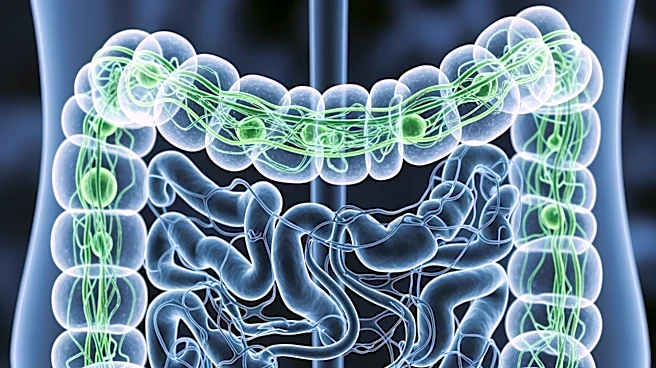
A study led by Professor Anthony Schapira at University College London has found that changes in the gut microbiome can identify individuals at greater risk of developing Parkinson's disease long before symptoms appear. The research discovered a microbial
signature in the gut that is more pronounced in people with a genetic predisposition to Parkinson's and even more so in those diagnosed with the disease. This signature could help doctors identify at-risk patients years before symptoms manifest, suggesting that dietary changes and treatments targeting the microbiome might prevent or delay the disease.
Why It's Important?
The findings offer a promising avenue for early intervention in Parkinson's disease, which affects millions globally. By identifying individuals at risk before symptoms develop, healthcare providers can implement preventative measures that may slow disease progression. The study also highlights the potential of the gut microbiome as a target for new therapies, which could revolutionize treatment approaches for neurodegenerative diseases. This research adds to the growing body of evidence supporting the gut-brain connection and its role in neurological health.
What's Next?
Further research and clinical trials are needed to understand the link between gut microbes and Parkinson's disease fully. Scientists will explore whether reshaping the microbiome through diet or other interventions can effectively reduce disease risk. The study's findings will likely prompt additional investigations into the gut microbiome's role in other neurodegenerative diseases, potentially leading to broader applications in preventative healthcare.