



What's Happening?
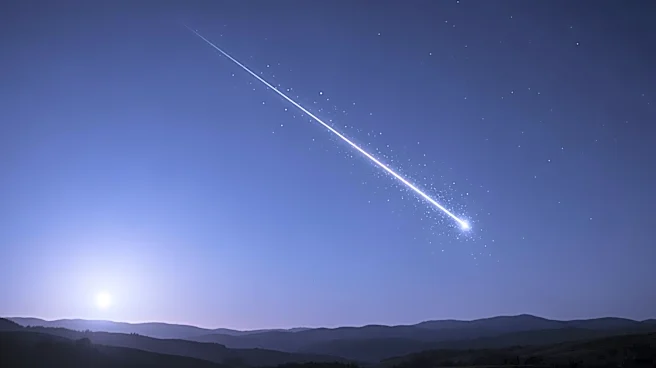
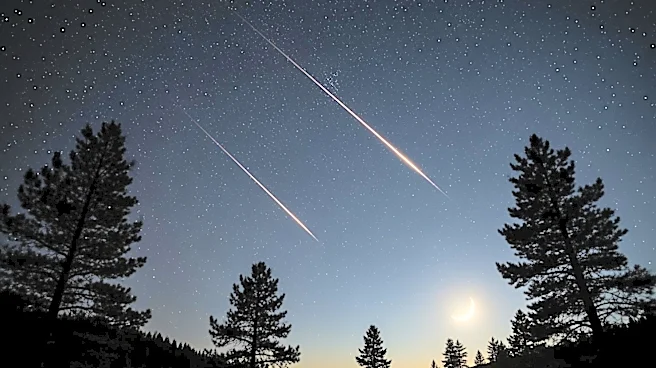
The Lyrid meteor shower, one of the year's most reliable celestial events, is set to occur from April 15 to April 29, with peak viewing expected between April 21 and April 23. During these peak nights, observers can anticipate seeing approximately 10
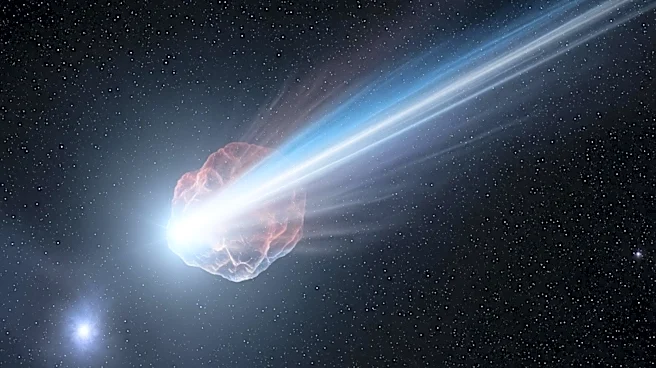
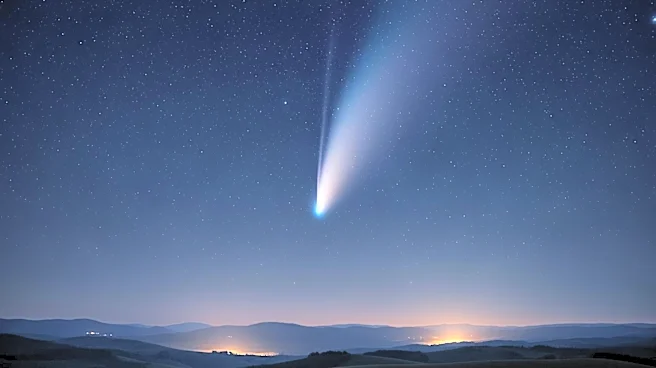
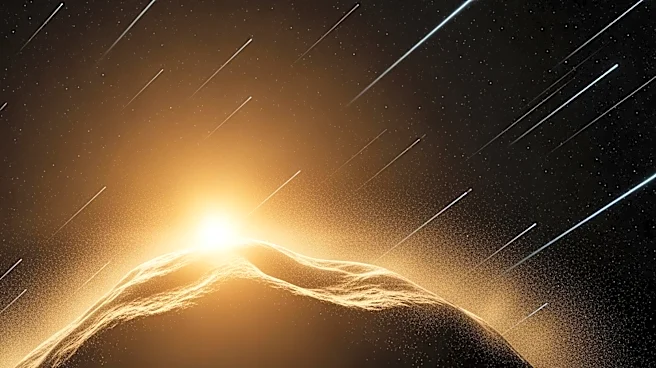
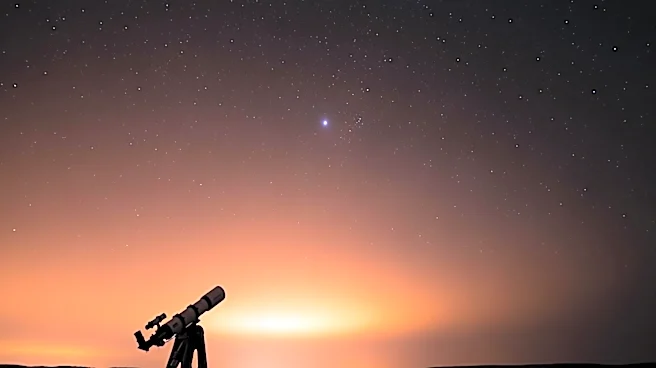
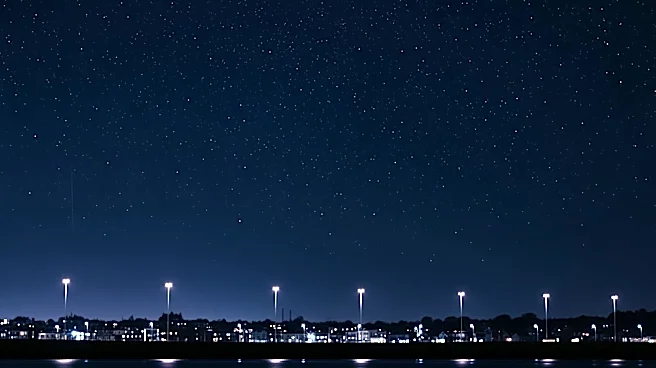
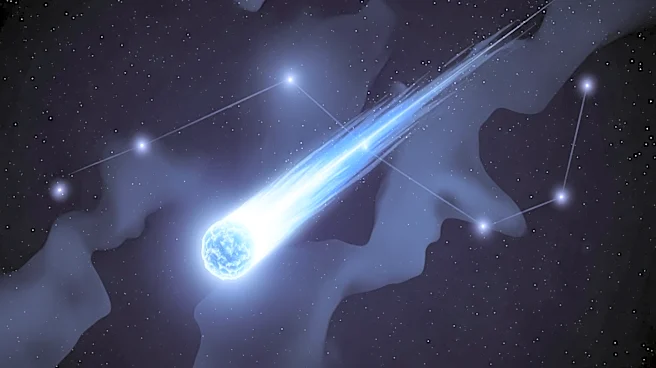
to 20 meteors per hour under optimal conditions, particularly after midnight when the skies are darkest. The meteor shower is caused by debris from Comet Thatcher, which enters Earth's atmosphere at high speeds, creating bright streaks of light. The best viewing conditions are expected around 2 a.m., when the moon has set, minimizing interference. The Lyrids are visible from the Northern Hemisphere, and experts recommend finding a dark, open area away from city lights for the best experience.
Why It's Important?
The Lyrid meteor shower provides a unique opportunity for skywatchers and astronomy enthusiasts to witness a natural spectacle. It serves as a reminder of the vastness and beauty of the universe, encouraging interest in astronomy and science. The event can also foster community engagement, as people gather in groups to watch the meteors. Additionally, it highlights the importance of preserving dark skies, free from light pollution, to ensure such celestial events can be enjoyed fully. The Lyrids offer a chance for educational outreach, inspiring future generations to explore space and science.
What's Next?
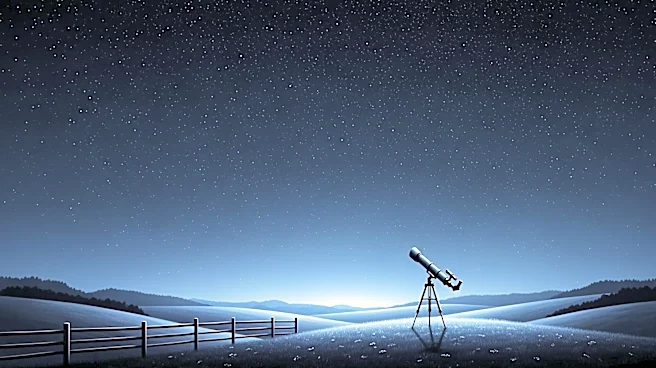
As the Lyrid meteor shower progresses, observers can continue to enjoy the spectacle even outside the peak period. Astronomy clubs and educational institutions may organize viewing events, providing telescopes and guidance to enhance the experience. The event may also prompt discussions on the impact of light pollution and the need for conservation efforts to protect night skies. Following the Lyrids, other meteor showers, such as the Perseids in August, will offer further opportunities for skywatching.