







What's Happening?
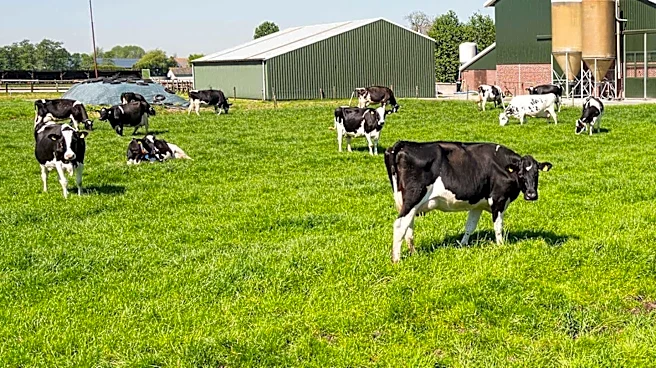
A dairy farm in northern Colorado has confirmed the presence of highly pathogenic avian influenza (HPAI) in its milk, marking the state's first confirmed case in dairy cattle since August 2024. The detection was made after a routine bulk milk tank test
returned a presumptive positive result, which was subsequently confirmed by a U.S. Department of Agriculture lab on October 24. The affected dairy is now under a quarantine order, which mandates strict biosecurity protocols and restricts the movement of milk cows. The farm must also achieve two consecutive negative tests, at least a week apart, to lift the quarantine. Colorado Department of Agriculture officials have stated that the risk to the general public remains low, emphasizing that pasteurized milk is safe for consumption as the pasteurization process effectively kills viruses. Individuals most at risk are those with direct contact with infected animals.
Why It's Important?
This HPAI detection in a Colorado dairy farm is significant as it represents a re-emergence of the virus in the state's dairy cattle population after a previous outbreak in April 2024 affected 64 dairies. The prior outbreak led to the implementation of the country's first mandatory bulk milk tank testing program for commercial dairies in Colorado, which successfully cleared the virus from affected herds. The current case underscores the persistent threat of HPAI to the agricultural sector and the ongoing need for vigilant surveillance and biosecurity measures. While the immediate risk to the public is deemed low due to pasteurization, continued outbreaks could lead to economic losses for dairy farmers through herd culling, reduced milk production, and trade restrictions. The situation also highlights the importance of protecting dairy workers, who are at higher risk of exposure, and the need for robust public health and agricultural agency collaboration.
What's Next?
The quarantined Colorado dairy farm will undergo strict biosecurity protocols and regular testing to ensure the eradication of HPAI. State agriculture officials, in collaboration with the Colorado Department of Public Health and Environment and local agencies, will continue to monitor the situation closely and implement measures to protect dairy workers. The effectiveness of the mandatory bulk milk tank testing program will be crucial in containing any further spread within the state's dairy industry. Depending on the extent of the outbreak and the success of containment efforts, there could be implications for milk supply chains and consumer confidence, although officials are actively working to mitigate these risks. Continued vigilance and rapid response are essential to prevent a broader impact on the U.S. dairy sector and public health.
Beyond the Headlines
The recurring detection of HPAI in dairy cattle, despite established testing programs, points to the complex challenges of managing zoonotic diseases in modern agriculture. The virus's ability to spread through various means, including potentially via flies, wind, or wild birds, makes complete containment difficult. This situation raises questions about the long-term sustainability of current biosecurity measures and the potential need for more comprehensive strategies that address environmental factors and wildlife interactions. The economic burden on dairy farmers, who face production losses and the costs associated with quarantine and testing, could also lead to calls for increased government support or insurance programs. Furthermore, the ongoing threat of HPAI underscores the broader 'one health' imperative, emphasizing the interconnectedness of animal health, human health, and the environment in preventing future pandemics.