






What's Happening?
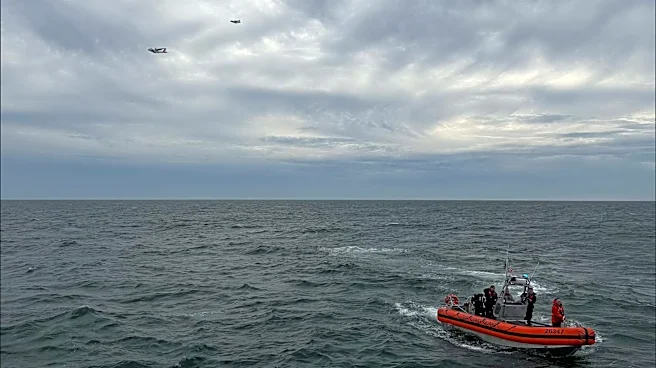
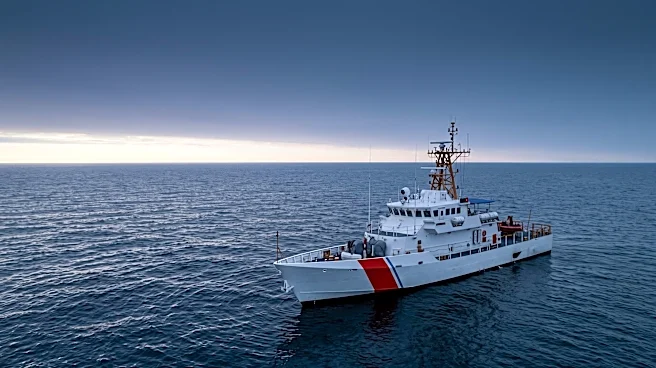
The U.S. Coast Guard has suspended its search operations for survivors of a missing Ontario air ambulance. The aircraft was carrying four Canadians when it lost contact. This decision comes after an extensive search effort, indicating that further rescue
attempts are deemed unlikely to yield survivors. The incident has drawn attention to the safety protocols and operational challenges associated with air ambulance services, particularly those operating across international borders. The suspension of the search marks a somber development for the families and colleagues of those aboard the missing aircraft, as hopes for survival diminish. The specific circumstances leading to the air ambulance losing contact have not been detailed in the provided information, but the focus has shifted from rescue to recovery, or the grim reality of a lost aircraft and its occupants.
Why It's Important?
This event underscores the inherent risks faced by air ambulance crews and patients, highlighting the critical nature of their missions and the dangers involved in emergency medical transport. For the U.S. and Canada, it brings to light the collaborative efforts required in cross-border search and rescue operations, as well as the tragic outcomes that can occur despite these efforts. The incident may prompt a review of air ambulance safety regulations, communication protocols, and tracking technologies to prevent similar occurrences in the future. It also has a significant emotional impact on the communities involved, particularly in Ontario, Canada, where the air ambulance was based, and among the families of the four Canadian individuals aboard. The suspension of the search also raises questions about the future of such operations and the psychological toll on search and rescue personnel.
What's Next?
Following the suspension of the search, the focus will likely shift towards an investigation into the cause of the air ambulance's disappearance. Aviation authorities from both the U.S. and Canada will likely collaborate to determine what led to the loss of contact and the subsequent presumed crash. This investigation will involve analyzing any available flight data, communication logs, and potential debris if found. The findings of such an investigation could lead to recommendations for changes in aviation safety standards, particularly for air ambulance services operating in similar conditions or routes. Additionally, there will be ongoing support for the families of the missing individuals, and discussions may arise regarding compensation or support mechanisms for those affected by such tragedies. The incident may also influence public perception and policy regarding emergency air transport services.
Beyond the Headlines
The tragic loss of an air ambulance and its occupants extends beyond the immediate search and rescue efforts, touching upon the broader ethical and societal implications of high-risk medical transport. It highlights the dedication of medical professionals and pilots who undertake these perilous journeys to save lives, often in challenging conditions. The incident could spark a deeper conversation about the balance between urgency in medical emergencies and the safety of transport, potentially leading to advancements in autonomous flight safety systems or enhanced real-time tracking capabilities for critical missions. Furthermore, the cross-border nature of the incident emphasizes the interconnectedness of North American emergency services and the need for seamless international cooperation in crisis management. The emotional aftermath for the communities and the aviation industry will be significant, prompting reflection on the human cost of such vital services.