




What's Happening?
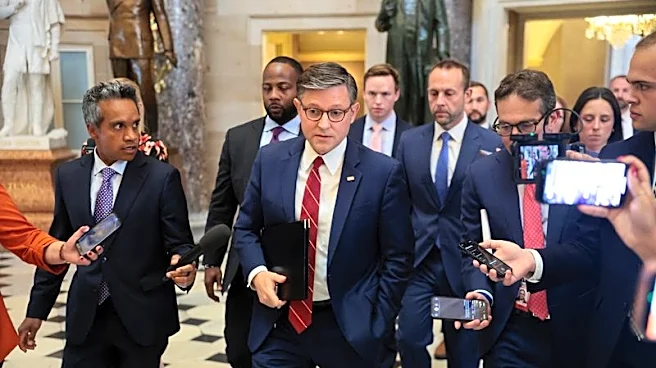
Congress is currently at an impasse over the renewal of Section 702 of the Foreign Intelligence Surveillance Act (FISA), a key government spying law. The law, which allows U.S. intelligence agencies to access communications of foreigners without a warrant,
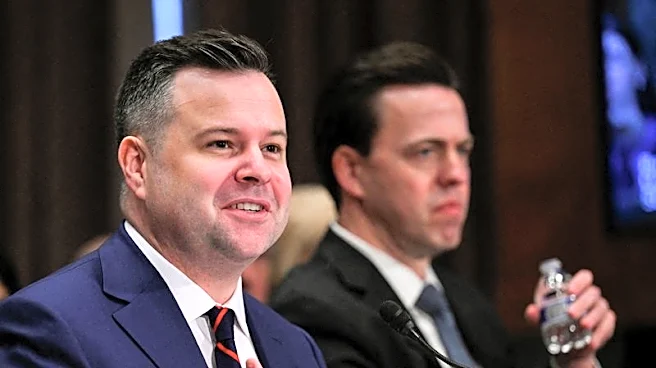
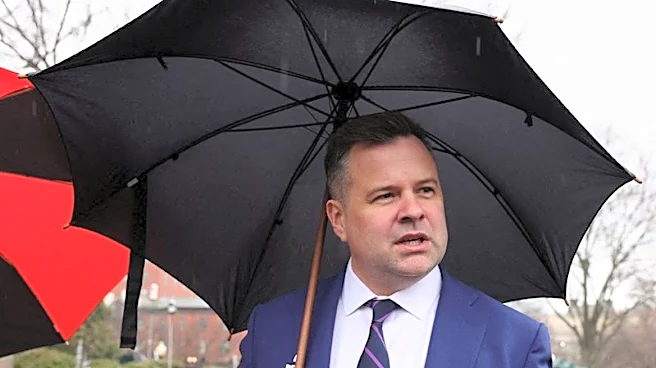
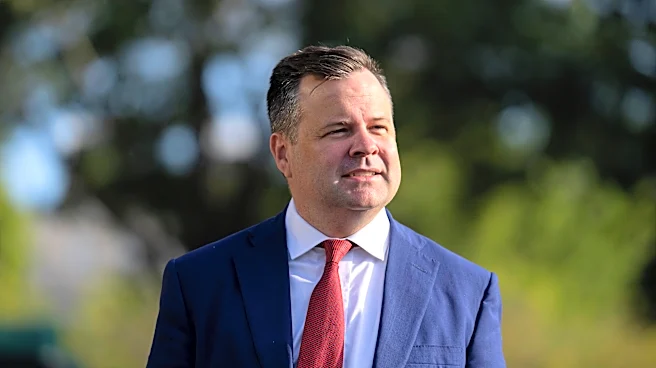
is set to expire soon. The debate has intensified due to President Trump's nomination of Bill Pulte, a figure with no intelligence experience, to replace Tulsi Gabbard as the nation's top spy chief. This nomination has led to significant opposition from Democrats, who are withholding their votes on the FISA renewal until a more suitable candidate is proposed. The situation is further complicated by ongoing discussions about the balance between national security and privacy rights, with some lawmakers pushing for substantial reforms to the law.
Why It's Important?
The deadlock over FISA's renewal has significant implications for national security and privacy rights in the U.S. Section 702 is a critical tool for intelligence agencies to monitor potential threats, and its expiration could create a gap in foreign intelligence collection. However, the law has also been criticized for infringing on Americans' privacy, as their communications can be inadvertently collected. The controversy surrounding Bill Pulte's nomination adds another layer of complexity, as it has united Democrats in opposition, potentially stalling the renewal process. The outcome of this debate could influence future legislative approaches to balancing security and civil liberties.
What's Next?
With the deadline for FISA's renewal approaching, Congress must decide whether to extend the law or allow it to lapse. If no agreement is reached, existing surveillance authorities will continue until March 2027, but new intelligence operations could be hindered. The nomination of Bill Pulte remains a contentious issue, and President Trump has shown no signs of withdrawing his support. This situation may force further negotiations or lead to a temporary extension of the law while a compromise is sought. The ongoing debate will likely continue to shape discussions on privacy and security in the U.S.