




What's Happening?
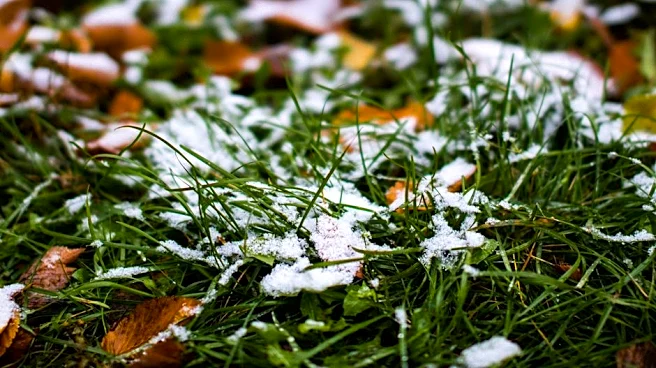
Maine is preparing for its first snowflakes of the season this weekend, as a frontal system is expected to bring the coldest air of the season, strong winds, and a chance of snow. While the potential for snow in early October might seem premature, historical
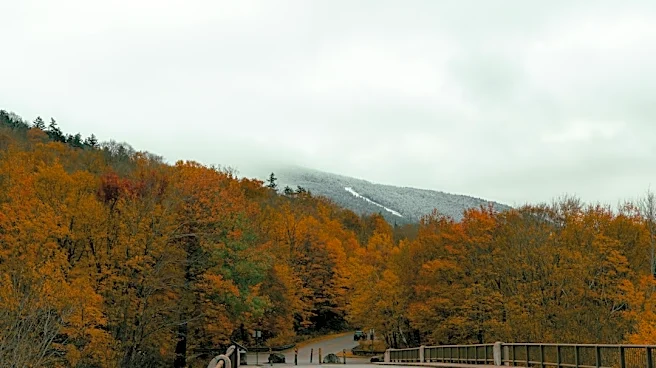
data indicates it is not unprecedented for flakes to fall across the state at this time of year. Northern New Hampshire and Maine's western mountains, including Rangeley, are most likely to experience their first snowfall on Saturday afternoon. Although the snow is anticipated to be limited to higher elevations and northern regions, it serves as a clear indication that colder weather is beginning to settle into the state. Historically, the timing of the first snowfall varies across Maine; extreme northern areas typically see snow by late October, while northern Maine and the western mountains usually experience it in early November. Coastal areas, such as Portland, generally wait until late November for their first snowfall.
Why It's Important?
The early arrival of cold weather and potential snowfall in Maine carries several implications for residents, businesses, and infrastructure. For agriculture, an early freeze could impact late-season crops, while for outdoor recreation, it signals the beginning of the winter sports season, potentially boosting local economies reliant on skiing and snowmobiling. Homeowners may face earlier heating expenses and the need to prepare for winter conditions sooner than anticipated. Transportation systems could be affected, requiring state and local departments to activate winter maintenance protocols, including plowing and salting roads, which incurs significant costs. Furthermore, the shift to colder temperatures can influence energy demand and prices. This early weather event also serves as a reminder of the variability of climate patterns and the importance of preparedness for seasonal changes, impacting everything from supply chains for winter goods to public safety advisories for driving conditions.
What's Next?
As the frontal system moves through, residents in northern and western Maine should prepare for colder temperatures, strong winds, and the possibility of snow this weekend. Weather forecasts will continue to provide updates on the exact timing and accumulation levels, particularly for higher elevations. Local authorities and transportation departments will monitor road conditions and be ready to deploy resources if snowfall impacts travel. Businesses that cater to winter activities may see an early start to their season, while others might need to adjust operations for colder weather. Residents are advised to ensure their homes are prepared for winter, including checking heating systems and insulating pipes. The early cold snap will also likely prompt discussions about seasonal energy consumption and the availability of resources for vulnerable populations to stay warm. The focus will be on monitoring weather patterns and ensuring public safety as the state transitions further into the colder months.
Beyond the Headlines
The early onset of winter weather in Maine, while not unprecedented, contributes to the broader narrative surrounding climate variability and its localized impacts. While a single event doesn't confirm long-term climate trends, it highlights the increasing need for communities to be adaptable and resilient to changing weather patterns. This situation can spark conversations about the economic dependencies on seasonal weather, such as the tourism industry's reliance on both fall foliage and winter snow. It also brings to light the challenges faced by vulnerable populations, including the elderly and low-income households, who may struggle with increased heating costs and winter preparedness. The event can also influence ecological systems, affecting wildlife behavior and the timing of natural cycles. Ultimately, such weather occurrences serve as practical reminders for ongoing discussions about climate adaptation strategies, resource management, and community resilience in the face of an unpredictable environment.