








What's Happening?
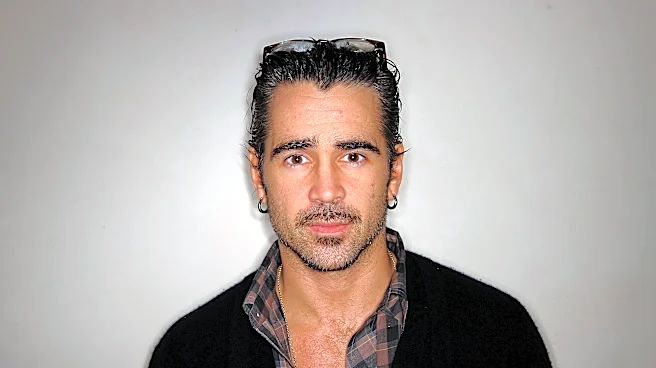
Actor Colin Farrell has founded the Colin Farrell Foundation in 2024, a non-profit organization dedicated to supporting adults living with intellectual and developmental disabilities and their families. This initiative was inspired by his personal experience
raising his 23-year-old son, James Padraig Farrell, who was diagnosed with Angelman syndrome, a rare genetic condition causing developmental delays. Farrell noted that once individuals with such conditions turn 21, many of the support systems, like special education classes, cease, leaving young adults often marginalized. He shared these insights during an interview on the British daytime talk show, 'This Morning,' emphasizing how his children have profoundly opened his heart and perspective.
Why It's Important?
The establishment of the Colin Farrell Foundation addresses a critical gap in support for adults with intellectual and developmental disabilities in the U.S. and potentially beyond. Many families face significant challenges as their children transition into adulthood, losing access to crucial services and resources. This foundation aims to provide continued support, highlighting the need for integrated societal inclusion for these individuals. Farrell's public advocacy, stemming from his personal journey, brings much-needed attention to this often-overlooked demographic, potentially influencing public policy discussions and encouraging greater community and governmental support for neurodevelopmental conditions. His platform can help destigmatize these conditions and foster a more inclusive environment.
What's Next?
The Colin Farrell Foundation will likely focus on developing programs and resources to assist adults with intellectual and developmental disabilities and their families. This could include advocacy for policy changes, funding for specialized adult services, and creating community support networks. Farrell's continued public discussions about his son's journey and the foundation's mission are expected to raise awareness and encourage donations, potentially expanding the foundation's reach and impact. The foundation's efforts could also inspire other public figures and organizations to address similar needs, leading to a broader movement for enhanced adult disability support.
Beyond the Headlines
Farrell's decision to establish this foundation underscores a broader societal issue regarding the long-term care and integration of individuals with disabilities. It highlights the emotional and practical burdens faced by families when existing support structures diminish as children age out of pediatric services. This initiative could spark conversations about the ethical responsibilities of society to provide continuous care and opportunities for all its members, regardless of their developmental challenges. It also brings to light the profound personal growth and empathy that can arise from navigating such experiences, transforming personal challenges into a catalyst for widespread social good.