






What's Happening?
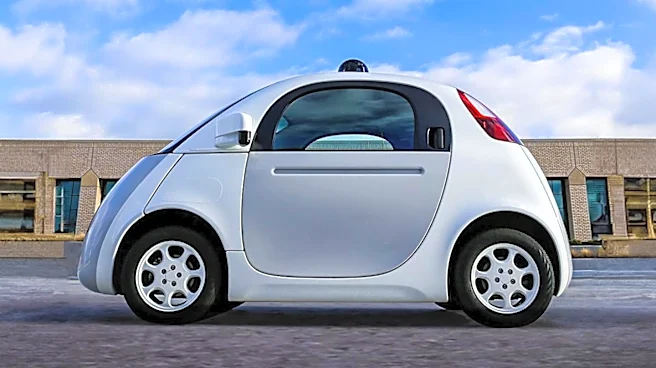
California State Senator Dave Cortese's Senate Bill 1246, legislation aimed at strengthening accountability, oversight, and emergency-response standards for Autonomous Vehicles (AVs), has successfully passed the California Legislature and is now awaiting
the Governor's signature. The bill seeks to ensure that public safety and emergency response protocols evolve alongside the increasing deployment of AVs across California. Key provisions of SB 1246 include requiring remote AV drivers to be U.S.-based and hold a U.S. driver’s license, mandating AV companies to notify local jurisdictions about vehicle locations during system failures, and guaranteeing first responders an on-site contact for AV accidents. The bill also proposes penalties for AVs that obstruct emergency operations for extended periods and calls for increased transparency in company response times to AV incidents.
Why It's Important?
The advancement of SB 1246 is a significant development for public safety and the regulation of emerging technology in California, a leading state in autonomous vehicle development and deployment. As AVs become more prevalent, incidents such as vehicles obstructing emergency services or becoming disabled have highlighted critical gaps in current regulations. This bill aims to address these challenges by establishing clear lines of accountability and communication between AV operators and first responders. The legislation's focus on ensuring human intervention and clear protocols during emergencies could set a precedent for other states and potentially influence national discussions on AV regulation. The support from various public safety organizations, including the California Association of Highway Patrolmen and California Police Chiefs Association, underscores the perceived necessity of these safeguards.
What's Next?
The bill now moves to the Governor's desk for signature. If signed into law, SB 1246 will introduce new requirements for autonomous vehicle companies operating in California, impacting their operational procedures and their interactions with local emergency services. AV companies will need to adapt their systems and protocols to comply with the new standards, including ensuring remote drivers meet specific qualifications and establishing more robust communication channels with first responders. The implementation of penalties for obstructions could also incentivize companies to develop more reliable and responsive AV systems. The legislation's impact will be closely watched by the autonomous vehicle industry and other states considering similar regulatory frameworks.
Beyond the Headlines
SB 1246 delves into the complex ethical and practical challenges posed by the rapid advancement of autonomous technology. The bill implicitly acknowledges the tension between technological innovation and public safety, seeking to strike a balance that allows for progress while mitigating potential risks. The requirement for human accountability, even in remotely operated vehicles, highlights a societal expectation that technology should not operate without a clear chain of responsibility. This legislation could also spark broader conversations about the role of government in regulating cutting-edge technologies, particularly when those technologies directly impact public infrastructure and safety. The focus on transparency and data reporting from AV companies suggests a move towards greater public oversight and a demand for more information regarding the performance and safety of autonomous systems.