



What's Happening?
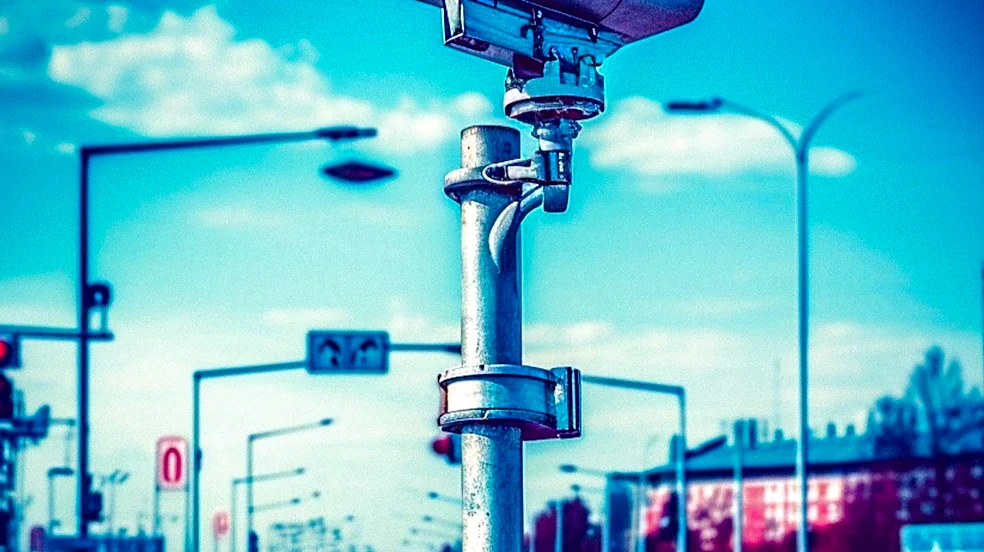
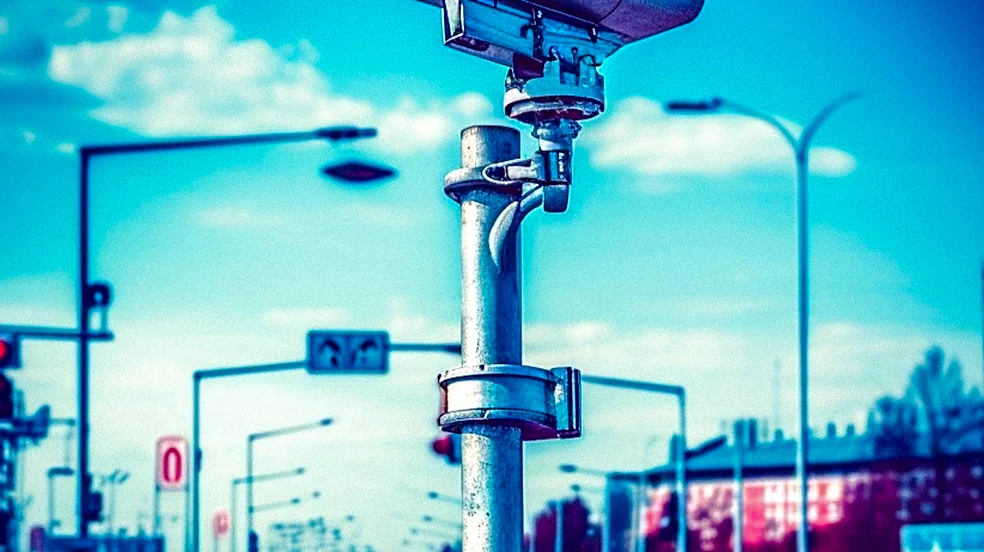
New speed cameras installed in Northeast Tacoma on Norpoint Way and Marine View Drive have detected over half a million speeding violations in their first month of operation. According to Eric Huseby, the city’s automated enforcement system program manager,
approximately three-quarters of these instances involved drivers exceeding the speed limit, totaling over 400,000 violations. Initially, the city issued only warnings, but this grace period has concluded, and $145 citations will now be issued for speeding offenses. City officials plan to cap the number of tickets issued at 100 per camera per day to avoid overwhelming city resources and the court system, with more egregious speeders being prioritized for citations. Early results indicate a 12% reduction in speeding at the Norpoint Way camera and a 20% reduction at the Marine View Drive camera.
Why It's Important?
The high volume of speeding violations recorded by the new cameras highlights a significant public safety concern in Northeast Tacoma, where residents have long complained about dangerous driving conditions and a history of crashes, including fatalities and serious injuries. The implementation of automated enforcement and the subsequent commencement of fines represent a direct effort by the city to improve road safety and deter reckless driving. While the initial data shows a positive impact on reducing speeding, the decision to cap daily citations raises questions about the full deterrent effect and the city's capacity to enforce traffic laws effectively. This initiative could serve as a model or a cautionary tale for other U.S. cities considering similar automated enforcement systems to address traffic safety issues, balancing enforcement with resource management.
What's Next?
With the grace period over, drivers caught speeding by the Northeast Tacoma cameras will now face $145 fines. City officials anticipate a significant reduction in speeding within the next six months as drivers become more aware of the enforcement and the financial penalties. The city also plans to install six additional speed cameras in other areas, including South Sprague Avenue, Pacific Avenue, and Portland Avenue, early next year. This expansion indicates a broader strategy to enhance traffic safety across Tacoma through automated enforcement. The effectiveness of the capped ticketing system and its long-term impact on driver behavior and accident rates will be closely monitored, potentially influencing future policy decisions regarding automated enforcement in the city and beyond.
Beyond the Headlines
The introduction of speed cameras and the subsequent high volume of violations underscore the persistent challenge of traffic safety in urban environments. Beyond the immediate goal of reducing speeding, this initiative touches upon broader societal implications, including the balance between public safety and individual privacy, the potential for revenue generation through fines, and the equitable application of enforcement. The decision to cap tickets, while practical for resource management, could also be perceived as a compromise that might dilute the deterrent effect for some drivers. This situation highlights the complex interplay between technology, urban planning, and human behavior in creating safer communities, and it will be interesting to observe how Tacoma navigates these dynamics as its automated enforcement program expands.