


What's Happening?
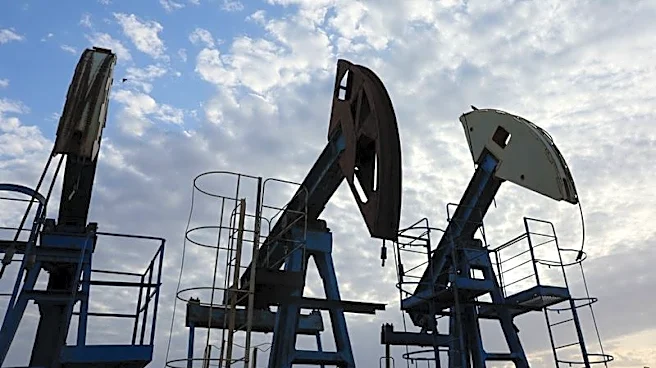
The US Strategic Petroleum Reserve (SPR) has reached its lowest level since 1983, following the withdrawal of over 110 million barrels since late March. This action was part of an emergency response to global oil supply disruptions caused by US and Israeli
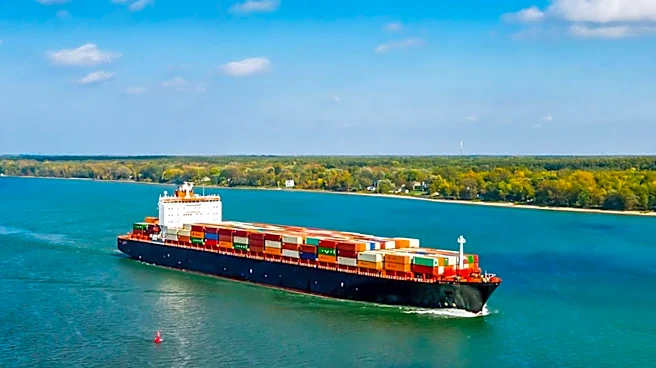
military strikes on Iran. The strikes disrupted crude oil and petroleum product flows through the Strait of Hormuz, a critical chokepoint for global oil supplies. In response, the International Energy Agency (IEA) coordinated the largest emergency oil stock release in its history, with member countries collectively releasing 400 million barrels to stabilize the market. The US Department of Energy announced a release of 172 million barrels from the SPR over approximately 120 days. As of the week ending July 31, the SPR stood at approximately 304.8 million barrels, down from 415.4 million barrels in March.
Why It's Important?
The depletion of the SPR to such low levels raises concerns about the US's ability to respond to future oil supply disruptions. The SPR was established to cushion the impact of unexpected disruptions, and its current state could limit the US's strategic flexibility. The reduction in reserves may also affect global oil markets, as the US has been a significant player in stabilizing oil prices through its reserve releases. The situation underscores the geopolitical risks associated with oil supply routes and the potential for military conflicts to impact global energy security. The coordinated release by the IEA highlights the importance of international cooperation in managing energy crises.
What's Next?
If the remaining barrels under the emergency release program are withdrawn, the SPR could fall to around 243 million barrels, significantly reducing the US's emergency oil stockpile. This situation may prompt discussions on how to replenish the reserve and ensure energy security. The US government may need to consider strategies for increasing domestic oil production or securing alternative energy sources. Additionally, the ongoing geopolitical tensions in the Middle East could lead to further disruptions, necessitating continued international collaboration to manage oil supply stability.