







What's Happening?
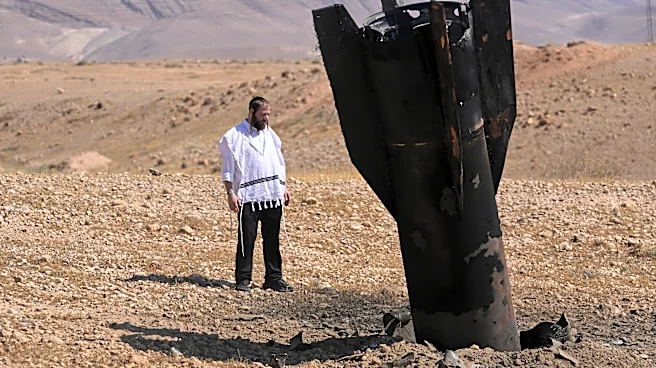
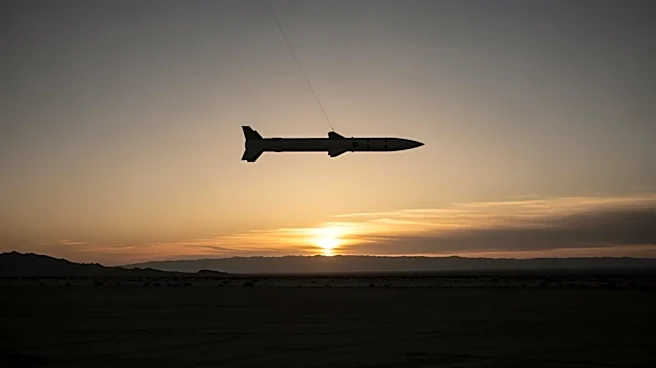
President Trump is navigating a complex diplomatic situation involving Iran and Israel, following a series of military exchanges between the two nations. Despite a ceasefire agreement, tensions remain high as both countries have engaged in missile strikes.
Trump is actively working to broker a deal with Iran, aiming to reopen the Strait of Hormuz and lift the U.S. Navy's blockade of Iranian ports. The proposed framework seeks to address Tehran's nuclear program, although the situation remains volatile with the potential for renewed conflict.
Why It's Important?
The ongoing tensions between Iran and Israel have significant implications for U.S. foreign policy and regional stability in the Middle East. A successful deal could ease military tensions and stabilize global oil markets, which are sensitive to disruptions in the Strait of Hormuz. However, failure to reach an agreement could lead to further military escalation, impacting U.S. relations with key allies and potentially leading to broader regional conflict. The situation also tests Trump's diplomatic strategy and his ability to manage complex international negotiations.
What's Next?
The next steps involve continued negotiations between the U.S. and Iran, with Trump pushing for a finalized deal. The outcome will depend on both parties' willingness to compromise on key issues, particularly Iran's nuclear ambitions. The international community will be closely watching for any signs of progress or setbacks, as the potential for renewed hostilities remains a concern. Stakeholders, including Israel and other regional powers, may react strongly to any developments, influencing the broader geopolitical landscape.