









What's Happening?
The traditional model of defense procurement, which relied heavily on stockpiling weapons and munitions, is being reevaluated in light of recent geopolitical conflicts and technological advancements. Historically, nations maintained large reserves of military
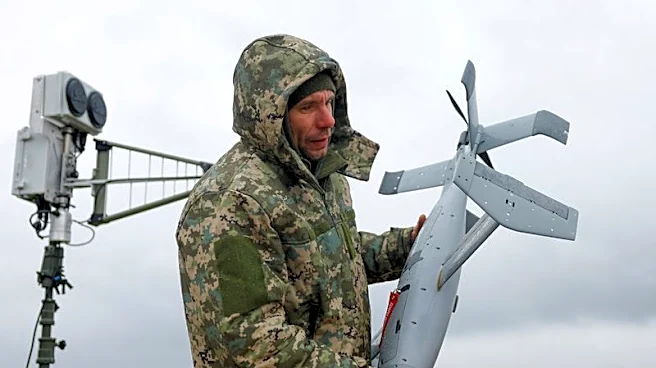
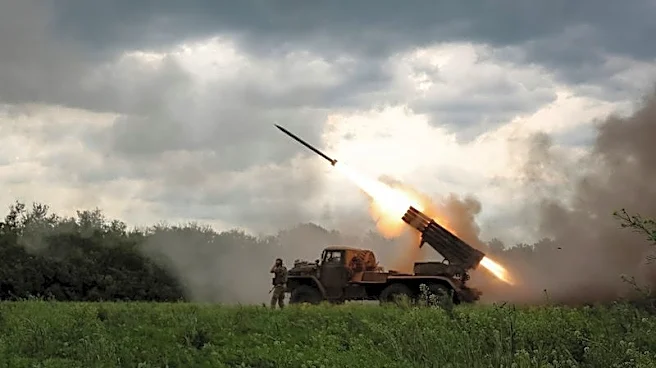
equipment to ensure readiness in times of war. However, the rapid consumption of resources in conflicts such as Russia's invasion of Ukraine has exposed the limitations of this approach. Modern warfare demands not only traditional munitions but also advanced technologies like drones and electronic warfare systems, which evolve quickly and can become obsolete within a few years. As a result, defense organizations are shifting towards a model that emphasizes manufacturing flexibility and rapid production capabilities. This new approach values the ability to quickly adapt and produce new technologies over merely maintaining large stockpiles.
Why It's Important?
This shift in defense strategy has significant implications for national security and economic policy. By focusing on manufacturing resilience and technological innovation, nations can better respond to unforeseen conflicts and rapidly changing threats. This approach also encourages international cooperation, as countries explore shared industrial capacities and supply chain resilience. The emphasis on technological advancement aligns with broader economic trends, where defense technologies often have dual-use applications in civilian industries. This can lead to increased investment in defense tech startups and a more integrated approach to national security and economic growth. The U.S., as the largest defense spender, plays a crucial role in shaping these global trends, influencing both domestic and international defense policies.
What's Next?
As nations continue to adapt to this new defense paradigm, we can expect increased collaboration among allies to enhance industrial resilience. This may involve shared inventories, multinational manufacturing programs, and reciprocal supply agreements. The focus on rapid technological development will likely drive further investment in defense tech startups, fostering innovation in areas such as artificial intelligence, robotics, and advanced communications. Governments will need to balance maintaining strategic reserves with investing in flexible production capabilities. The long-term success of this strategy will depend on the ability to integrate these elements into a cohesive defense policy that can adapt to future challenges.
Beyond the Headlines
The transition from stockpile-based readiness to capability-based resilience reflects broader shifts in global security dynamics. It highlights the importance of technological innovation in modern warfare and the need for defense strategies that can quickly adapt to new threats. This evolution also underscores the interconnectedness of global supply chains and the necessity for international cooperation in defense planning. As defense technologies increasingly overlap with civilian applications, ethical considerations around their use and development will become more prominent. The dual-use nature of these technologies presents both opportunities and challenges, requiring careful management to ensure they contribute positively to both national security and economic development.