







What's Happening?
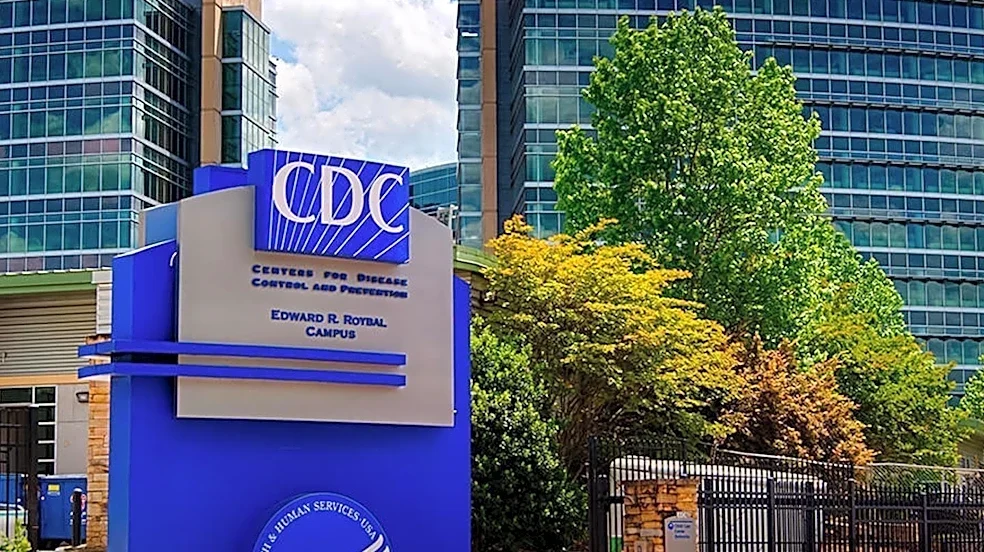
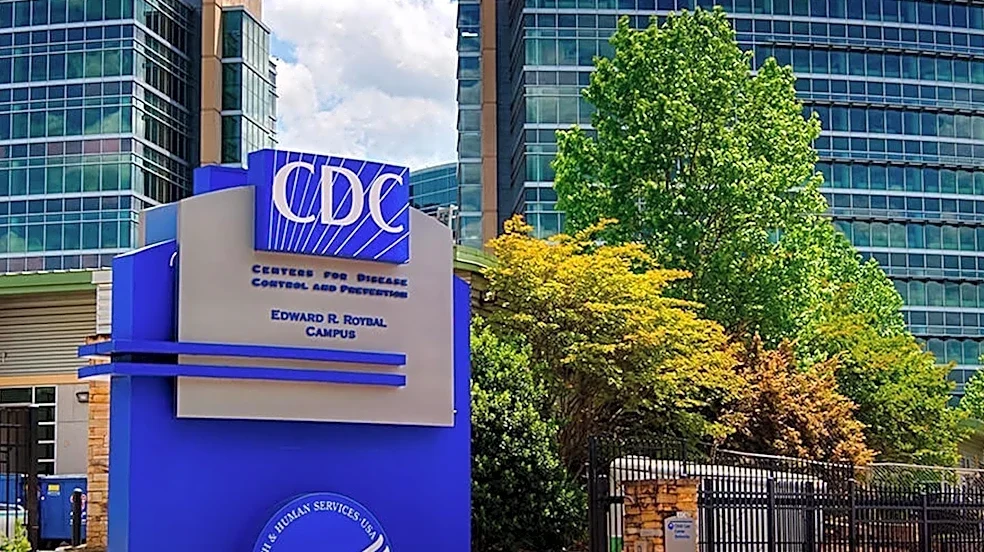
Micron Biomedical, a clinical-stage biotech company, has announced a vaccine development agreement with the U.S. Centers for Disease Control and Prevention (CDC). This federal contract aims to advance the development of a novel live-attenuated rotavirus
vaccine designed for transdermal delivery, eliminating the need for needles. The collaboration builds on the CDC's discovery of a promising alternative to current oral rotavirus vaccines. The new vaccine will bypass the digestive tract, addressing issues of lower efficacy observed in low and middle-income countries due to malnutrition and gut coinfections. Additionally, the transdermal delivery system aims to overcome logistical barriers associated with traditional needle and syringe administration, such as refrigeration requirements, the need for trained clinicians, and sharps waste. This agreement is part of a broader, longstanding collaboration between Micron Biomedical and the U.S. government, which also includes efforts in biosecurity and influenza vaccines. Earlier this year, a CDC-sponsored clinical trial of an inactivated vaccine delivered via the skin marked the initial phase of this partnership to combat rotavirus.
Why It's Important?
This federal contract is crucial in the global fight against rotavirus, which remains the leading cause of death from diarrhea in children under five worldwide, claiming approximately 200,000 lives annually. The development of a needle-free, thermostable rotavirus vaccine has the potential to significantly improve global health outcomes, particularly in hard-to-reach populations and healthcare deserts. Current oral vaccines, while effective in developed nations, face challenges in low and middle-income countries where their efficacy is reduced. By bypassing the digestive tract and eliminating the need for refrigeration and trained medical personnel for administration, this novel vaccine could dramatically increase vaccination rates and reduce child mortality. The ability for self-administration would also address issues like needle phobia and infrastructure shortages, making vaccination more accessible and efficient. This initiative highlights a strategic shift towards innovative drug delivery systems that can overcome both biological and logistical hurdles, potentially setting a precedent for future vaccine development and distribution strategies for other infectious diseases.
What's Next?
Micron Biomedical will proceed with the advanced development of the novel live-attenuated rotavirus vaccine under the terms of this federal contract. This will involve further clinical and non-clinical studies to evaluate the vaccine's efficacy, safety, and logistical advantages, including potential time and cost savings in manufacturing and global distribution. The collaboration with the CDC will continue to explore the full potential of this transdermal delivery system. Successful development could lead to regulatory approvals and subsequent deployment in regions most affected by rotavirus. Furthermore, the success of this project could pave the way for applying similar microarray technology to other vaccines and therapeutics, expanding Micron Biomedical's pipeline beyond infectious diseases to areas like dermatology, weight loss, and pain management. The company's ongoing partnerships with various public and private entities suggest a continued focus on developing accessible, self-administered drugs that do not require cold chain storage, indicating a future where vaccine delivery is significantly simplified and more widespread.
Beyond the Headlines
The shift towards needle-free, thermostable vaccines represents a paradigm change in global public health strategy. Beyond the immediate impact on rotavirus, this technology could fundamentally alter how vaccines are delivered during pandemics or in remote, underserved areas, reducing reliance on complex healthcare infrastructures. This innovation also addresses the psychological barrier of needle phobia, which can deter individuals from receiving essential vaccinations. The broader implications include a potential reduction in medical waste (sharps), contributing to environmental sustainability in healthcare. From an economic perspective, the ability to self-administer and store vaccines without refrigeration could drastically lower the costs associated with vaccine campaigns, making them more feasible for resource-limited countries. This development underscores a growing trend in pharmaceutical innovation towards patient-centric solutions that prioritize ease of use, accessibility, and global equity in healthcare delivery, potentially democratizing access to life-saving medical interventions on an unprecedented scale.