





What's Happening?
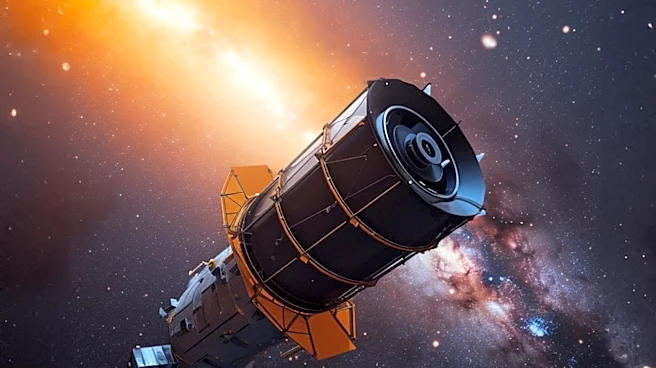
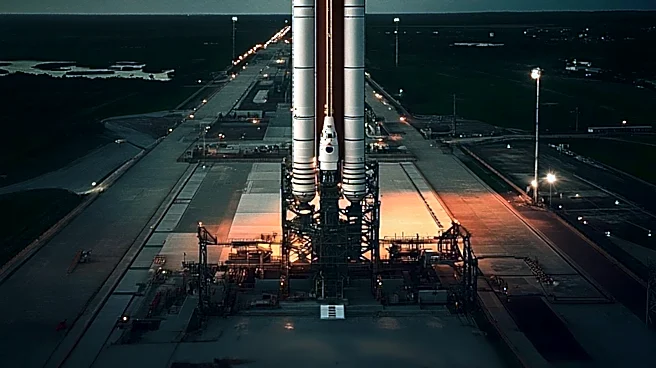
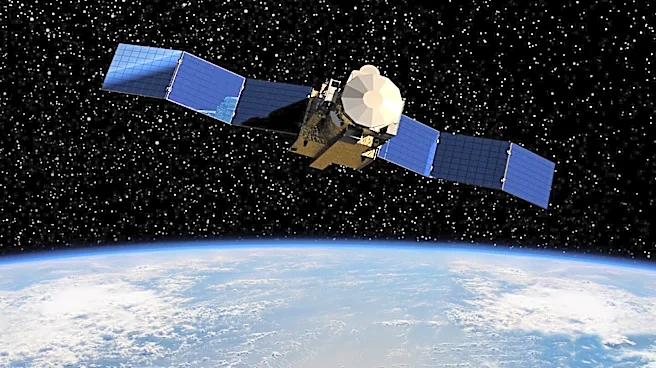
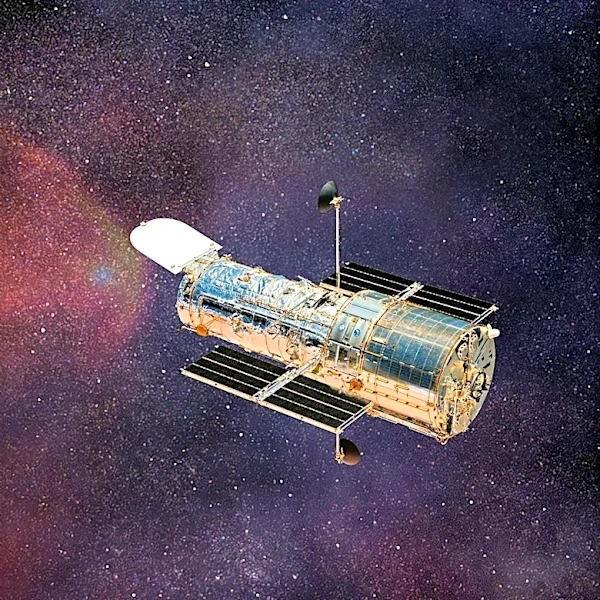
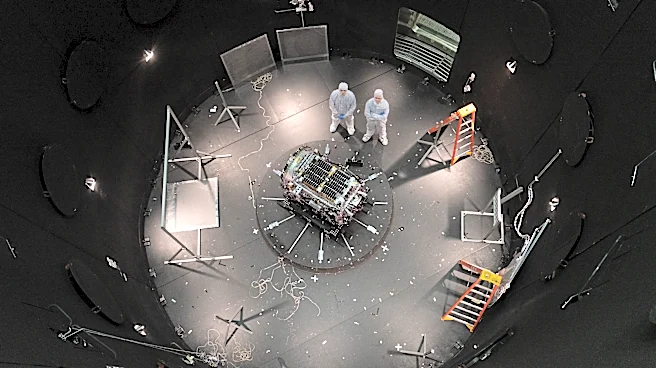
NASA's Neil Gehrels Swift Observatory has been successfully boosted to a higher orbit following a mission launched from the Marshall Islands. The mission, conducted by Katalyst Space, involved the deployment of the LINK robotic servicing spacecraft using
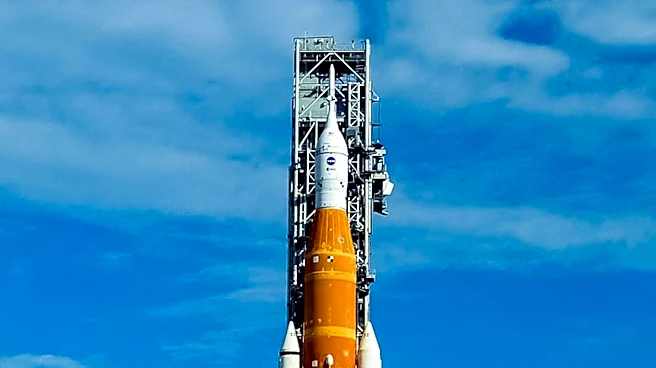
a Northrop Grumman Pegasus XL rocket. The rocket was released from the Stargazer aircraft at an altitude of 40,000 feet. This mission was necessary due to increased atmospheric drag caused by recent solar activity, which had accelerated the decay of Swift's orbit. The successful deployment of LINK marks a significant achievement in maintaining the operational capabilities of the Swift Observatory.
Why It's Important?
The successful boost of the Swift Observatory is crucial for continuing its mission of observing gamma-ray bursts and other cosmic phenomena. By maintaining its orbit, Swift can continue to provide valuable data that contributes to our understanding of the universe. This mission also highlights the importance of robotic servicing in extending the lifespan of space assets, offering a cost-effective solution to challenges posed by orbital decay. The collaboration between NASA and Katalyst Space demonstrates the potential for public-private partnerships to enhance space exploration capabilities and address technical challenges.
What's Next?
Following the successful orbit boost, the Katalyst team will focus on ensuring the LINK spacecraft's systems are fully operational, including the deployment of solar panels and power systems. NASA will continue to monitor the Swift Observatory's performance and provide updates on its scientific observations. The success of this mission may pave the way for future robotic servicing missions, potentially extending the operational life of other satellites and space observatories. This approach could become a standard practice for maintaining and upgrading space infrastructure, reducing the need for costly replacements.