



What's Happening?
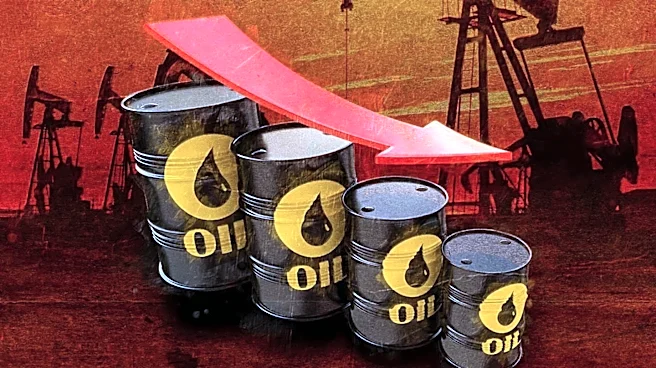
The United States' Strategic Petroleum Reserve (SPR), the government's emergency crude oil stockpile, has fallen to approximately 279.5 million barrels as of the week ending November 6, 2026. This marks a significant decrease from 410.4 million barrels a year
prior and represents the lowest level since August 1982. The SPR was established in 1975 following the Arab oil embargo to protect the country against major supply disruptions. The U.S. government can release SPR oil through competitive auctions or exchanges when a serious supply disruption threatens the economy, with the President having the authority to order emergency drawdowns under specific conditions. The Department of Energy manages these releases, which aim to increase crude availability and help compensate for lost production or disrupted shipments. The effectiveness of such releases in lowering gas prices is not guaranteed, as crude oil is only one factor influencing pump prices, alongside refining capacity, transportation costs, taxes, and demand.
Why It's Important?
The depletion of the Strategic Petroleum Reserve to its lowest level in over four decades raises concerns about the U.S.'s energy security and its ability to respond to future oil supply shocks. A smaller reserve leaves the government with less flexibility to mitigate the economic impact of disruptions caused by geopolitical instability, natural disasters, or other unforeseen events. While SPR releases can temporarily ease pressure on crude prices by increasing supply, their impact on consumer gasoline prices is often limited and not immediate due to various market factors. The current low levels could make the U.S. more vulnerable to price volatility and supply shortages, potentially affecting industries reliant on petroleum, transportation costs, and overall economic stability. The reserve's importance becomes particularly evident during periods of global instability, and its diminished capacity could weaken the U.S.'s position in coordinating international responses to energy crises.
What's Next?
The U.S. government faces the challenge of replenishing the Strategic Petroleum Reserve. Rebuilding the reserve depends on factors such as funding availability, prevailing market conditions, and the physical capacity of storage facilities. Future decisions regarding SPR releases or purchases will likely be influenced by global oil market dynamics, geopolitical developments, and domestic economic considerations. The ongoing debate about the appropriate size and management of the SPR is expected to continue, with policymakers weighing the need for emergency preparedness against the costs and market impacts of buying and storing large quantities of oil. The effectiveness of any future releases will also depend on the nature and scale of the supply disruption and the ability of U.S. refineries to process the available crude.
Beyond the Headlines
The declining levels of the Strategic Petroleum Reserve highlight a broader tension between short-term economic relief and long-term strategic preparedness. While past drawdowns were intended to address immediate supply concerns and stabilize prices, the sustained reduction in the reserve's volume could have long-term implications for national security and economic resilience. It underscores the complex interplay between domestic energy policy, international relations, and global oil markets. The situation also prompts questions about the optimal strategy for managing national energy reserves in an evolving global energy landscape, particularly as the U.S. and other nations pursue energy transitions and diversify their energy sources. The ethical dimension involves balancing the immediate needs of consumers with the imperative to maintain a robust emergency buffer for future generations.