





What's Happening?
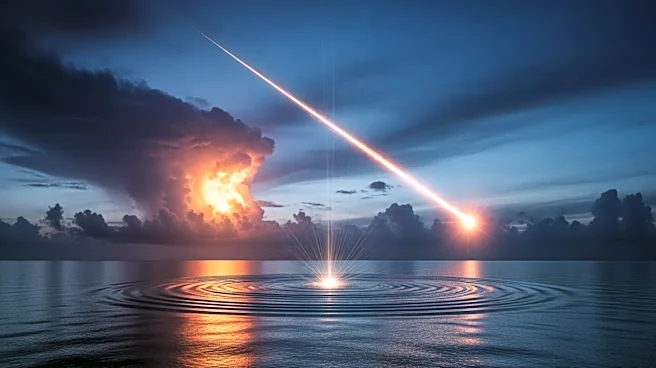
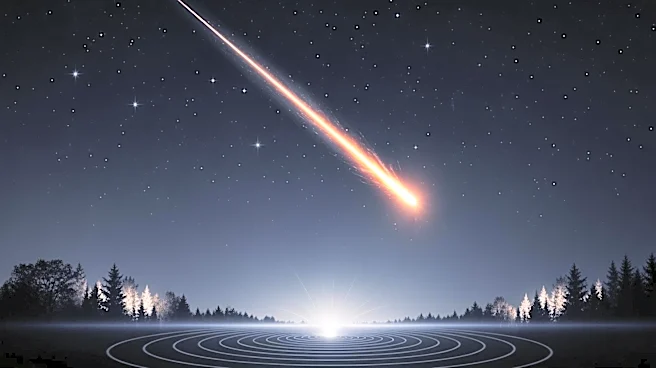
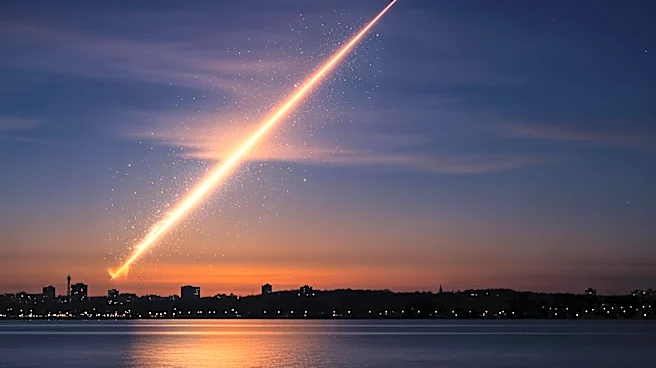
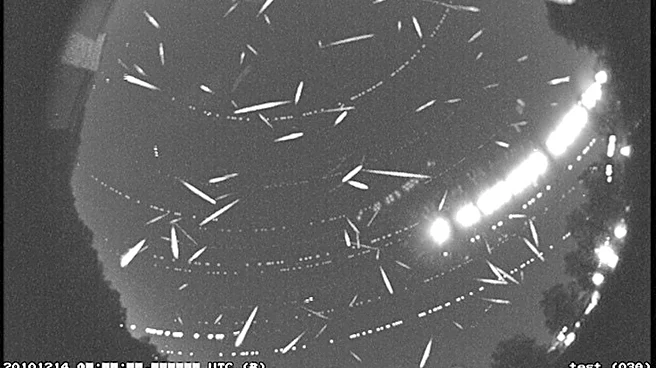
A loud boom heard across multiple areas of Massachusetts on Saturday was caused by an apparent meteor, according to Ken Mahan, lead meteorologist for the Boston Globe. The meteor, described as a bolide or fireball, passed through the atmosphere just east
of Boston around 2 p.m. The phenomenon is characterized by a sonic boom, which occurs when the meteor travels faster than the sound barrier, creating a massive pressure wave. NASA is expected to estimate the size of the meteor, which is typically 1-2 meters for bolides, in the coming days. John Ebel, a senior research scientist at the Weston Observatory, confirmed that the sound was not caused by an earthquake, as atmospheric pressure waves were stronger than any seismic signals detected. The meteor's entry into the atmosphere was significant enough to produce a sound louder than usual, indicating it was larger and faster than typical meteors.
Why It's Important?
The event highlights the potential impact of meteors on populated areas, raising awareness about the natural phenomena that can occur without warning. The loud boom and subsequent public interest underscore the need for continued monitoring and research by agencies like NASA to better understand and predict such occurrences. The incident also serves as a reminder of the importance of emergency preparedness and communication between local, state, and federal agencies to address public concerns swiftly. While no damage was reported, the event could have implications for public safety protocols and scientific research on atmospheric phenomena.
What's Next?
NASA will analyze data to estimate the size and trajectory of the meteor, providing further insights into its characteristics. Local authorities and scientific institutions may collaborate to enhance monitoring systems for future meteor events. Public interest in space phenomena could lead to increased educational outreach and engagement with scientific communities. Additionally, the incident may prompt discussions on improving communication strategies to inform the public about similar events in the future.