
What's Happening?
Democratic U.S. Rep. Shomari Figures has called for an 'emergency hearing' by the House Agriculture Committee regarding President Trump's decision to temporarily lift tariffs on imported beef. Figures sent
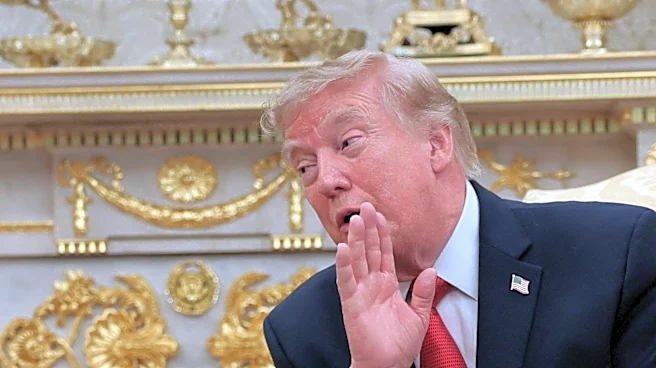
a letter to U.S. House Agriculture Committee Chairman Glenn 'GT' Thompson, a Pennsylvania Republican, requesting the hearing. The proclamation by President Trump authorizes the import of 300,000 metric tons of foreign beef, which could be sold below market rates. Figures argues that this move could significantly harm Alabama farmers and the broader American agricultural sector. The administration's stated intention for the tariff rollback, announced on August 21, is to lower grocery prices amidst a decline in the U.S. cattle herd and concerns about cattle in Mexico affected by a flesh-eating pest. The tariff rollback is expected to take effect in September.
Why It's Important?
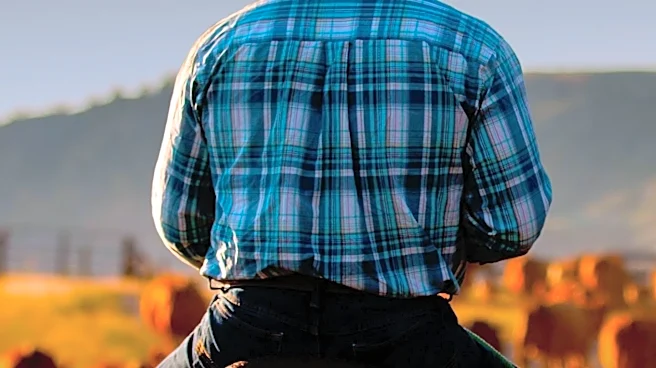
This development is important because it highlights a significant policy disagreement with potential economic ramifications for the U.S. agricultural industry and consumers. The rollback of beef tariffs, intended to alleviate high grocery prices, is being met with strong opposition from cattle producers and lawmakers who fear it will undermine the domestic beef industry. If foreign beef is imported at lower prices, American cattle farmers could face increased competition, potentially leading to reduced profitability or even forcing some out of business. This could impact the long-term viability of the U.S. cattle industry and domestic food security. Conversely, proponents of the rollback argue it could provide much-needed relief to consumers facing elevated beef prices. The debate underscores the complex balance between supporting domestic industries and addressing consumer costs.
What's Next?
U.S. Rep. Shomari Figures is awaiting a response from U.S. House Agriculture Committee Chairman Glenn 'GT' Thompson regarding his request for an emergency hearing. If the hearing is granted, it will provide a platform for examining the potential consequences of President Trump's proclamation on American cattle producers, the domestic cattle herd, and the stability of the nation's beef supply chain. The committee would also likely investigate whether the plan offers meaningful relief for consumers or if it could negatively impact the U.S. cattle industry. The tariff rollback is scheduled to take effect in September, meaning the implications for both producers and consumers will soon become more apparent. Lawmakers, agricultural organizations, and consumers will be closely monitoring the situation and its economic effects.
Beyond the Headlines
Beyond the immediate economic concerns, this situation touches upon broader issues of trade policy, food security, and the role of government intervention in agricultural markets. The debate over beef tariffs reflects a recurring tension between free trade principles and the protection of domestic industries. While lowering tariffs might offer short-term price relief for consumers, it raises questions about the long-term resilience and self-sufficiency of the U.S. food supply. The discussion also highlights the vulnerability of agricultural sectors to global market fluctuations, disease outbreaks, and policy changes. The outcome of this tariff rollback and the subsequent congressional scrutiny could set precedents for how future administrations balance consumer interests with the needs of domestic producers, potentially influencing agricultural policy for years to come.