


What's Happening?
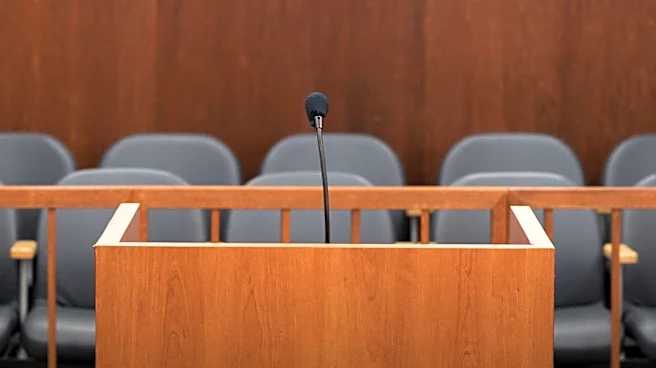
Following the mistrial in the Lindsay Clancy case, where a woman was accused of killing her three children and her defense cited postpartum psychosis, elements of the online right are advocating for the repeal of the 19th Amendment. This amendment, ratified
in 1920, granted women the right to vote in the United States. The argument put forth by some online commentators suggests that if women are deemed emotionally unstable and not fully responsible for their actions in such cases, they should not be entitled to the same rights and responsibilities as men, including the right to vote. This discourse has been highlighted by Fox News and The Wall Street Journal, which note that while these calls originate from the 'online right,' they represent a palpable hostility towards women. The Fox article specifically mentioned that nine female jurors voted to acquit Clancy, while the lone male juror resisted, leading to the mistrial. This outcome is being used by some to argue that women are incapable of reason, further fueling the 'Repeal the 19th' movement.
Why It's Important?
The resurgence of calls to repeal the 19th Amendment represents a significant threat to women's suffrage and broader gender equality in the United States. While currently confined to the 'online right,' such rhetoric can influence public discourse and potentially normalize extreme views, undermining decades of progress in women's rights. The argument that women are inherently irrational or emotionally unstable, and therefore unfit for political participation, directly challenges the foundational principles of equal representation and democratic governance. If such sentiments gain traction, they could lead to legislative efforts or social movements that seek to restrict women's rights, not only in voting but also in other areas of public and private life. This development highlights the ongoing struggle against misogyny and the fragility of established rights when confronted with extremist ideologies, potentially impacting the political landscape and the rights of women across the nation.
What's Next?
The immediate future will likely see continued debate and condemnation of the 'Repeal the 19th' movement from mainstream political figures and women's rights advocates. Republican women, as noted by Fox News, are already warning that this rhetoric could harm the GOP, suggesting internal party efforts to distance themselves from these extreme views. Media outlets will likely continue to monitor and report on the spread of such sentiments, potentially leading to increased public awareness and opposition. Advocacy groups focused on women's rights and civil liberties are expected to mobilize to counter these narratives and reinforce the importance of the 19th Amendment. The broader impact will depend on whether these fringe online discussions manage to penetrate mainstream political discourse or remain largely confined to extremist circles. However, the very existence of such calls necessitates vigilance and a robust defense of democratic principles and equal rights.
Beyond the Headlines
The calls to repeal the 19th Amendment delve into deeper societal implications concerning the perception of women's roles and capabilities in modern society. This movement, even if marginal, reflects a persistent undercurrent of misogyny and a desire to revert to traditional gender hierarchies. It raises questions about the stability of established constitutional rights in the face of cultural and political polarization. The exploitation of a tragic legal case, like the Lindsay Clancy trial, to justify such extreme political positions highlights how personal tragedies can be weaponized to advance broader ideological agendas. This situation also underscores the ongoing challenge of combating misinformation and extremist narratives that proliferate online, and how these narratives can threaten the fabric of democratic institutions and civil rights. The debate extends beyond voting rights to encompass women's autonomy, mental health stigma, and the fundamental understanding of equality in the United States.