


What's Happening?
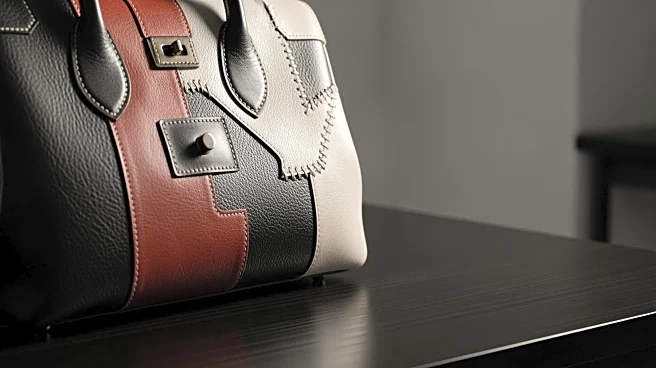
The Supreme Court of Korea has issued a landmark ruling regarding the upcycling of luxury goods, specifically addressing whether such practices constitute trademark infringement. The case involved Louis Vuitton and a service provider who altered branded
handbags for personal use. The court ruled that modifications made for personal use do not infringe on trademark rights, overturning a lower court's decision. However, it clarified that commercial resale of modified goods could still be considered infringement. This decision is significant as it is the first of its kind in Korea and is being closely watched internationally, particularly in the U.S., Europe, and Japan. The ruling reflects a nuanced approach to the balance between personal use and commercial exploitation of trademarked goods.
Why It's Important?
This ruling has broad implications for the fashion industry and trademark law, particularly in the context of sustainability and brand control. It highlights the tension between the rights of consumers to modify goods they own and the rights of brands to protect their trademarks. The decision could influence similar cases globally, as it addresses the growing trend of upcycling and its legal ramifications. Brands may need to reconsider their strategies in protecting their trademarks against modifications that do not involve commercial resale. This case also underscores the ongoing debate between promoting sustainability through upcycling and maintaining brand integrity.