



What's Happening?
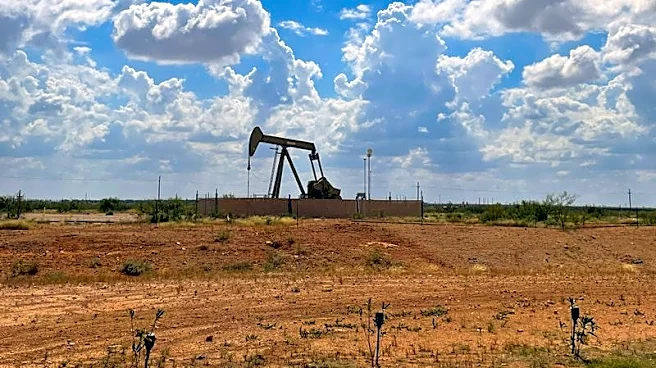
Libya's National Oil Corporation (NOC) aims to boost the country's oil production to 2 million barrels per day (bpd) by the early 2030s, up from the current 1.4 million bpd. This goal is supported by a 2026 unified budget, which allocates over $2 billion
to the NOC as an operating budget. The funding is expected to attract investments and revitalize Libya's oil and gas sector, which has seen increased activity with international companies resuming operations. Recent agreements with firms like OMV and exploration tenders mark a significant push to revive the industry after years of civil unrest.
Why It's Important?
Libya's plan to increase oil production is significant for the global oil market, as it could alter supply dynamics and influence prices. The country's ability to attract foreign investment and partnerships is crucial for its economic recovery and stability. For international oil companies, Libya presents opportunities for exploration and production in a region with substantial reserves. However, the success of these plans depends on political stability and the resolution of internal conflicts. The development also highlights the strategic importance of Libya in the global energy landscape, particularly for European markets seeking diversified oil sources.
What's Next?
The NOC's efforts to boost production will involve continued collaboration with international oil companies and the implementation of new exploration and production-sharing agreements. Political stability and security improvements will be essential to achieving these goals. The success of Libya's oil strategy could influence regional energy policies and investment trends. Additionally, the global oil market will monitor Libya's progress, as increased production could impact supply and pricing. The situation underscores the need for ongoing diplomatic efforts to ensure a stable environment conducive to energy development.