





What's Happening?
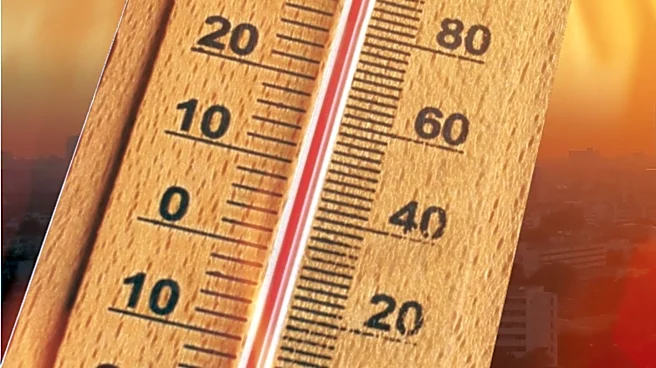
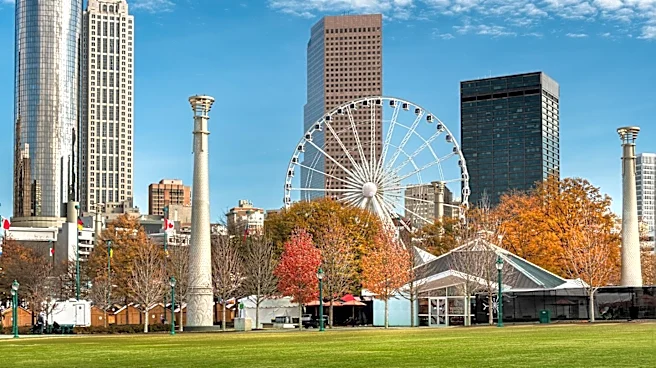
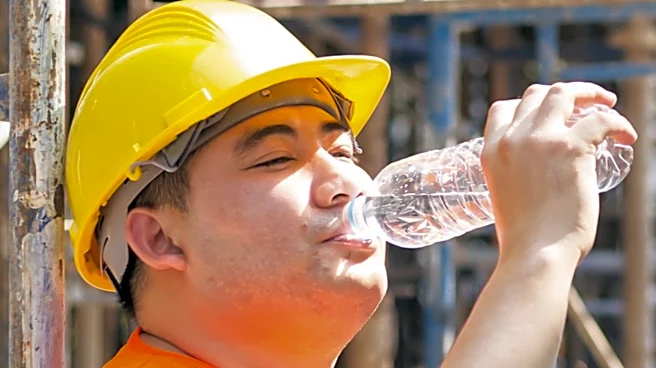
Georgia is experiencing more frequent and intense heat waves, which are making certain jobs significantly more dangerous. According to the Georgia Department of Public Health and other sources, both outdoor and indoor occupations are at risk. Outdoor
jobs like construction, farming, and roofing are particularly vulnerable due to prolonged exposure to high temperatures. Indoor jobs, such as those in warehouses and manufacturing plants, also face significant heat-related health risks due to inadequate cooling systems. The U.S. Environmental Protection Agency notes that as average temperatures rise due to climate change, the risk of extreme temperatures and heat waves increases. This trend is expected to continue, posing ongoing challenges to worker health, safety, and productivity.
Why It's Important?
The increasing frequency of extreme heat events in Georgia highlights the broader impacts of climate change on worker safety and economic productivity. Workers in high-risk sectors may face increased health risks, including heat-related illnesses, which can lead to decreased productivity and higher healthcare costs. Employers may need to implement additional safety measures and cooling systems to protect workers, potentially increasing operational costs. The situation underscores the need for policy interventions and workplace adaptations to mitigate the effects of climate change on vulnerable populations.
What's Next?
As climate change continues to drive temperature increases, Georgia and other states may need to adopt new regulations and safety standards to protect workers. This could include mandating rest breaks, providing cooling stations, and enhancing workplace ventilation systems. Additionally, there may be increased advocacy for climate action to address the root causes of these extreme weather patterns. Employers and policymakers will need to collaborate to develop strategies that ensure worker safety while maintaining economic productivity.