
What's Happening?
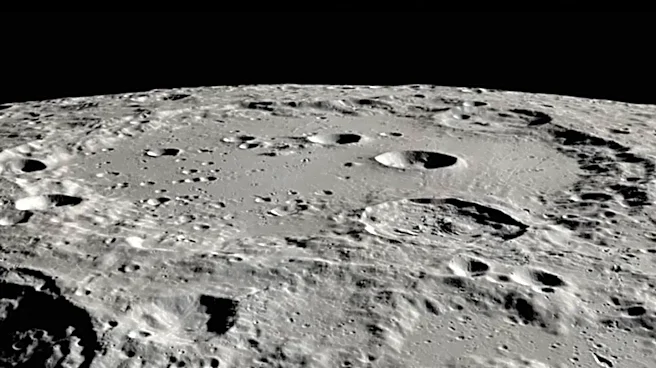
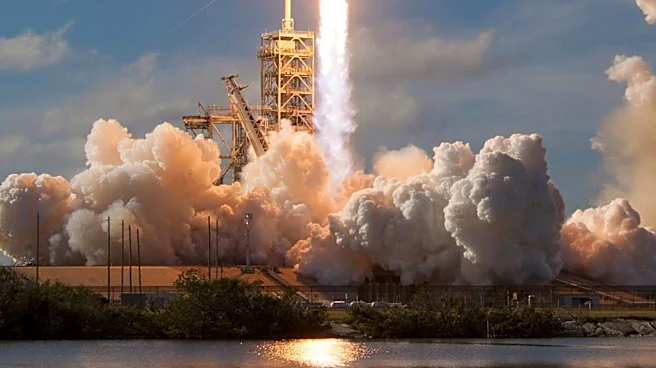
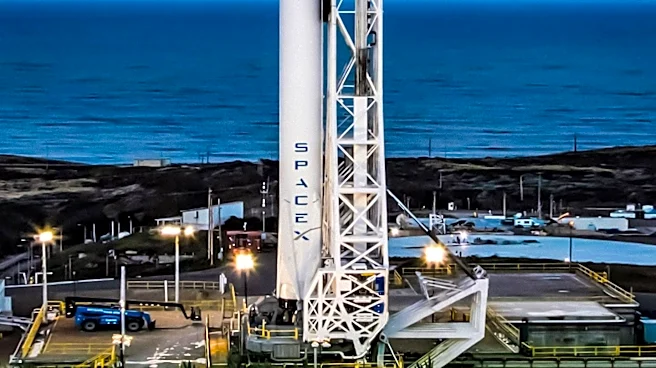
A piece of a SpaceX Falcon 9 rocket crashed into the moon on August 5, 2026, creating a new crater near the Einstein crater. The upper-stage of the rocket, weighing 8,800 pounds, was traveling at approximately 5,400 mph when it impacted the lunar surface.
This event was predicted by independent astronomer Bill Gray, who used ground telescope observations to calculate the impact. The Korea Pathfinder Lunar Orbiter, known as Danuri, captured images of the crash site, showing changes in the terrain and traces of ejecta spread. NASA is also attempting to locate the crash site using its Lunar Reconnaissance Orbiter. The crash is part of a historical context of spacecraft impacts on the moon, including NASA's intentional crashes for scientific purposes.
Why It's Important?
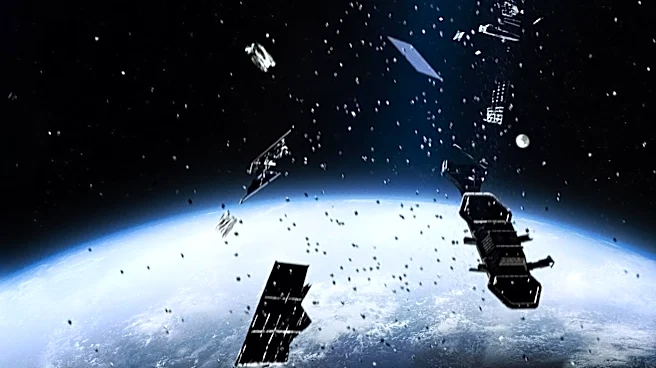
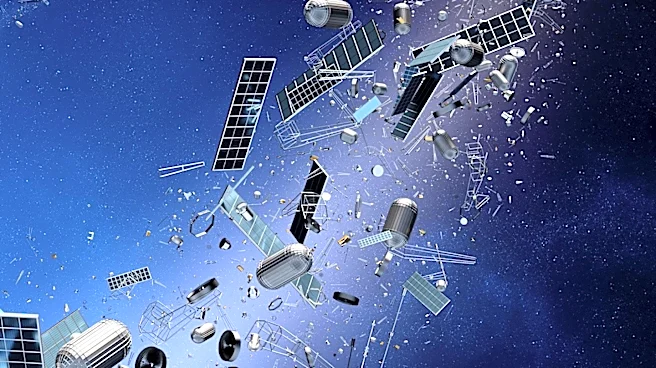
The crash of the SpaceX Falcon 9 rocket into the moon highlights the challenges and complexities of space exploration, particularly in managing space debris and the risks associated with uncontrolled orbits. This incident underscores the need for responsible space operations and collaboration between international space agencies. The images captured by South Korea's lunar orbiter provide valuable data for understanding the impact of artificial objects on the lunar surface, which can inform future lunar exploration missions. Additionally, the event draws attention to the ongoing competition in space exploration, particularly between the U.S. and other nations like China, as they pursue lunar exploration and potential resource utilization.
What's Next?
NASA and other space agencies will continue to analyze the data collected from the crash site to better understand the effects of artificial impacts on the moon. This information could influence future mission planning and the development of strategies to mitigate space debris. SpaceX, in collaboration with NASA, is likely to review its protocols for managing rocket stages left in orbit to prevent similar incidents. The event may also prompt discussions on international regulations and agreements regarding space debris management and the safe disposal of spacecraft components.