






What's Happening?
Former U.S. Congresswoman Michele Bachmann has asserted that the primary issue in Gaza is obesity, not starvation, claiming that the calorie count for individuals in Gaza exceeds 3,000 calories per person per day due to the amount of food entering the region.
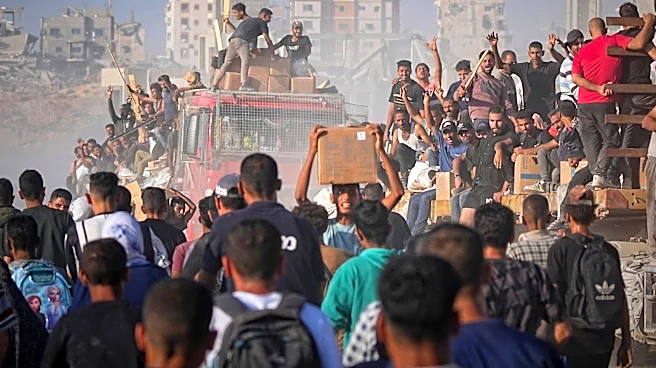
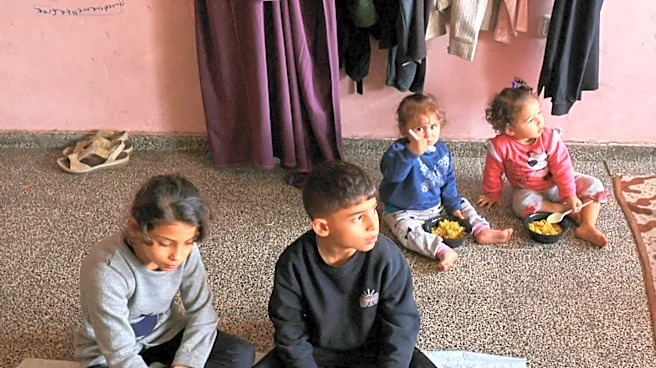
Bachmann, who is now the Dean of Regent University's Robertson School of Government, based her claims on a report from the Israel Journal of Health Policy Medicine, which studied food shipments from January to July 2024. She suggested that the population of Gaza has grown and that the influx of food has led to a problem of excessive caloric intake. This statement contradicts widespread reports from humanitarian organizations, including the United Nations World Food Programme, which have warned of deepening food insecurity and potential famine in Gaza.
Why It's Important?
This statement is significant because it represents a stark divergence from the consensus view of humanitarian organizations and international bodies regarding the food security situation in Gaza. Such claims, particularly from a former U.S. lawmaker and current academic dean, can influence public perception and potentially undermine efforts to provide critical aid. By downplaying the severity of the humanitarian crisis, these statements can complicate fundraising efforts for aid organizations and potentially reduce the urgency with which the international community addresses the issue. For U.S. foreign policy, such rhetoric can create friction with allies and humanitarian partners who are actively working to alleviate suffering in the region, potentially impacting diplomatic relations and the effectiveness of aid initiatives.
What's Next?
The immediate aftermath of such statements often involves strong rebuttals from humanitarian organizations and fact-checking by media outlets, aiming to correct misinformation and re-emphasize the reality of the situation on the ground. Aid organizations will likely continue to highlight the dire conditions in Gaza, providing data and testimonies to counter claims of over-nutrition. Public discourse will likely see continued debate between those who support Bachmann's perspective and those who align with the humanitarian consensus. The U.S. government and international bodies will likely reiterate their commitment to addressing food insecurity in Gaza, potentially increasing calls for unimpeded humanitarian access and sustained aid efforts, irrespective of such controversial claims.
Beyond the Headlines
Michele Bachmann's comments highlight a broader trend of misinformation and politicization surrounding humanitarian crises, particularly in politically charged regions. Such narratives can serve to deflect responsibility, justify inaction, or promote specific political agendas, often at the expense of accurate reporting and effective aid delivery. The selective use of data, as seen with the reference to the Israel Journal of Health Policy Medicine report without addressing its limitations (such as not analyzing what food actually reached the Palestinian people or the destruction of infrastructure), is a common tactic in information warfare. This situation also underscores the challenge for the public in discerning truth from politically motivated claims, especially when presented by figures with past political authority. The long-term consequence can be a erosion of trust in humanitarian reporting and a diminished capacity for effective international response to crises.