
What's Happening?
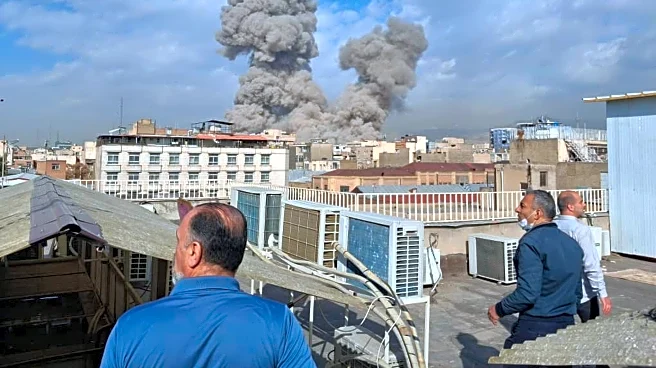
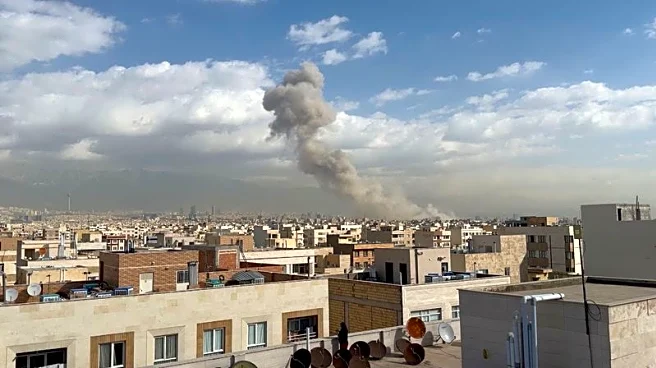
Iran's military has launched missile attacks targeting ships and various countries across the Middle East. This aggressive military action comes on the second day of heightened conflict involving the United States and Israel. The escalation follows the death
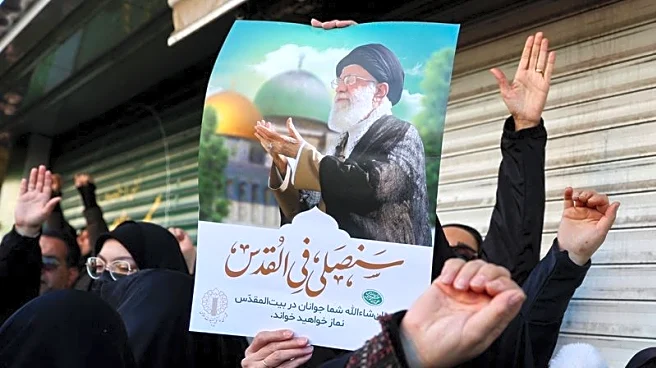
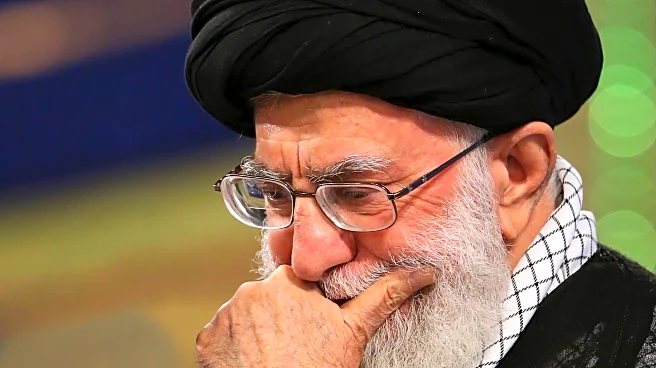
of Iran's Supreme Leader Ayatollah Ali Khamenei, who was killed recently. In response to these developments, Iranians have gathered for Khamenei's funeral, marking a significant moment of national mourning and potential further unrest. The situation remains tense as regional powers and international observers closely monitor the unfolding events.
Why It's Important?
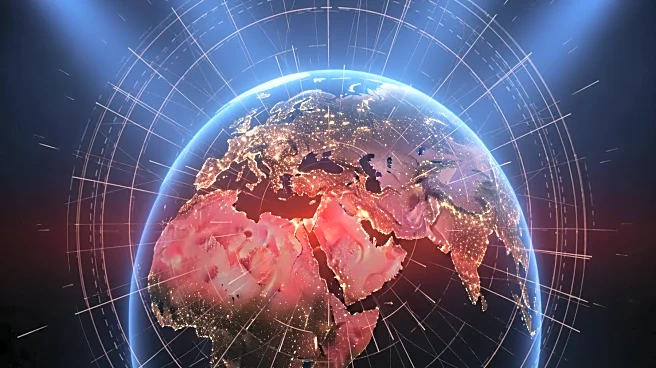
The missile attacks by Iran signify a significant escalation in the ongoing conflict with the United States and Israel, potentially destabilizing the already volatile Middle East region. The death of Ayatollah Ali Khamenei adds a layer of complexity, as it may lead to internal power struggles within Iran and influence its foreign policy decisions. The conflict could impact global oil markets, given the strategic importance of the region, and may lead to increased military engagements involving U.S. forces. The situation poses a risk of broader regional conflict, affecting international relations and security dynamics.
What's Next?
The international community is likely to respond with diplomatic efforts to de-escalate the situation, though military responses from the U.S. and its allies cannot be ruled out. Iran's internal political landscape may shift as new leadership emerges, potentially altering its approach to foreign policy. The U.S. and Israel may increase their military readiness in the region, while other countries may call for peace talks to prevent further escalation. The outcome of these developments will be closely watched by global powers, as they could have far-reaching implications for international security and economic stability.