





What's Happening?
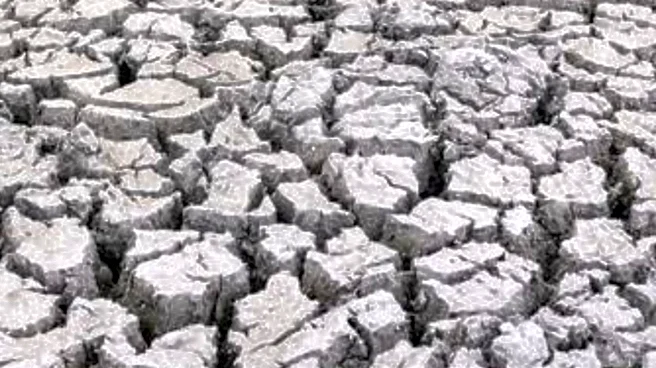
Smaller towns across the U.S. are increasingly vulnerable to severe water shortages, particularly in the event of a failure in major water sources like Lake Powell or Lake Mead. Unlike larger metropolitan areas such as Phoenix, Las Vegas, and Los Angeles,
which have invested decades in developing robust backup water infrastructure, these smaller communities lack the resources and systems to cope with prolonged drought conditions. The issue is exacerbated by the high costs associated with developing alternative water supplies, making it difficult for these towns to implement long-term solutions. This vulnerability highlights a growing disparity in water security between urban centers and less populated regions, where the impact of climate change and resource depletion is felt more acutely. The current situation underscores a critical challenge for regional planning and resource allocation in the face of ongoing environmental pressures.
Why It's Important?
The escalating water crisis in smaller U.S. towns carries significant implications for national resource management and equitable development. The lack of adequate water infrastructure in these communities poses a direct threat to public health, economic stability, and agricultural output in affected regions. Businesses, particularly those reliant on water for operations like farming or manufacturing, face potential closures or severe restrictions, leading to job losses and economic decline. Furthermore, the disparity in water security could drive internal migration, as residents move from water-stressed areas to more resilient urban centers, placing additional strain on those cities' resources. This situation also highlights a critical policy gap, as current strategies may not adequately address the unique challenges faced by smaller, less affluent communities in securing essential resources. Addressing this issue is crucial for maintaining regional stability and ensuring a sustainable future for all U.S. populations.
What's Next?
Addressing the water vulnerability of smaller U.S. towns will likely require a multi-faceted approach involving federal, state, and local initiatives. Potential next steps include increased government funding and grants specifically allocated for water infrastructure development in rural and smaller urban areas. There may also be a push for innovative technological solutions, such as advanced water recycling and desalination, though cost remains a significant barrier for smaller communities. Policy discussions could focus on creating regional water-sharing agreements and developing emergency response plans to mitigate the impact of future water crises. Additionally, public awareness campaigns might be launched to promote water conservation practices in these vulnerable regions. The long-term outlook suggests a growing need for integrated water management strategies that consider the unique needs and limitations of all communities, not just major metropolitan areas.
Beyond the Headlines
The water crisis in smaller U.S. towns extends beyond immediate resource scarcity, touching upon deeper issues of environmental justice and regional equity. The disproportionate impact on these communities highlights how climate change often exacerbates existing socio-economic inequalities. Many of these towns may lack the political leverage or financial capital to advocate for their needs effectively, leading to a cycle of neglect. This situation could also trigger broader discussions about the sustainability of current population distribution patterns and the viability of certain industries in water-stressed regions. Ethically, it raises questions about the responsibility of larger, water-secure cities to support their struggling neighbors. The long-term implications could include a re-evaluation of land use policies, agricultural practices, and the overall economic development models in regions prone to drought, potentially leading to significant demographic and economic shifts across the country.