




What's Happening?
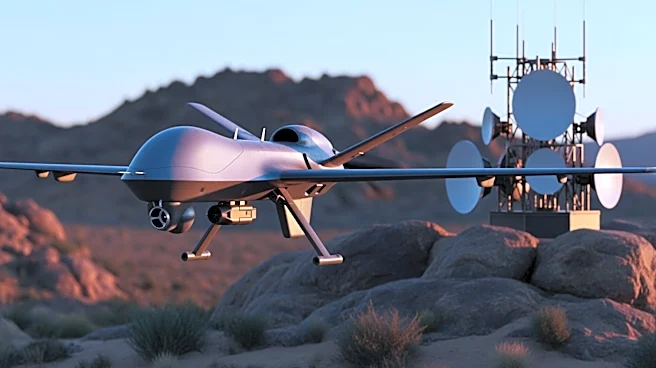
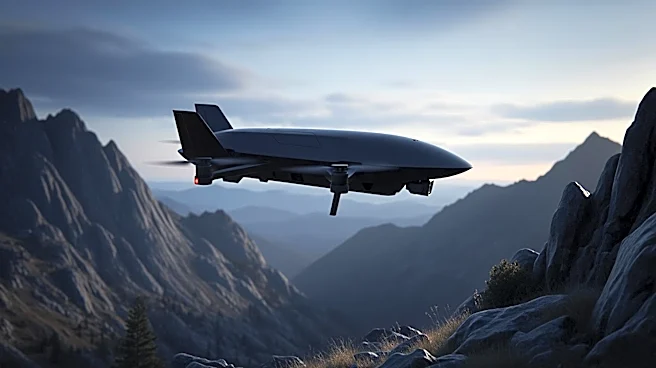
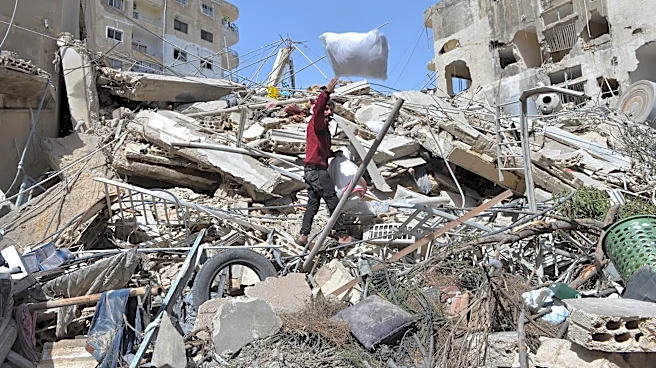
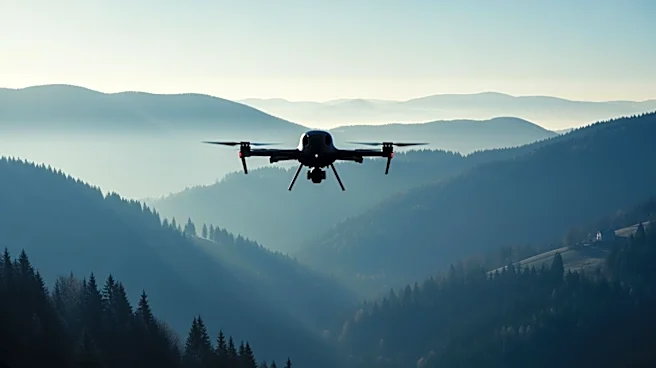
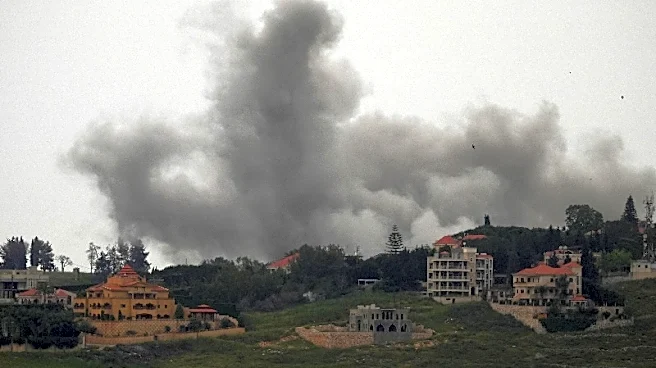
Residents in northern Israel, particularly in the Upper Galilee region, are experiencing heightened anxiety due to the threat of Hezbollah drones. The presence of fiber-optic cables from downed drones has become a common sight, causing fear among local
communities. The situation has been exacerbated by recent drone attacks, including one that injured a senior Israeli military officer. Despite government assurances of safety, residents feel disconnected from the rest of the country and are frustrated by the lack of adequate protective measures, such as fortified rooms in homes. The ongoing threat has disrupted daily life, with many children unable to attend school due to security concerns.
Why It's Important?
The persistent threat of Hezbollah drones underscores the fragile security situation in northern Israel and the challenges faced by local communities. The psychological impact on residents, particularly children, is significant, as they live in constant fear of attacks. This situation highlights the broader security challenges Israel faces from Hezbollah, a group with significant military capabilities. The lack of adequate protective infrastructure raises questions about government preparedness and response to such threats. The ongoing tension also affects regional stability and could influence Israel's military and diplomatic strategies in dealing with Hezbollah and Lebanon.
What's Next?
Local leaders are calling for a more robust military response to eliminate the threat and restore security. The Israeli government may need to accelerate fortification efforts and improve protective measures for residents. The situation could lead to increased military operations in the region, potentially escalating tensions with Hezbollah. The government's handling of the situation will be closely watched by both domestic and international observers, as it could impact Israel's security policies and its relations with neighboring countries.
Beyond the Headlines
The situation in northern Israel reflects broader geopolitical dynamics in the Middle East, where non-state actors like Hezbollah play a significant role in regional conflicts. The use of drones by such groups represents a growing security challenge, requiring new strategies and technologies to counter these threats. The psychological impact on affected communities also highlights the human cost of ongoing conflicts and the need for comprehensive security and support measures.