
What's Happening?
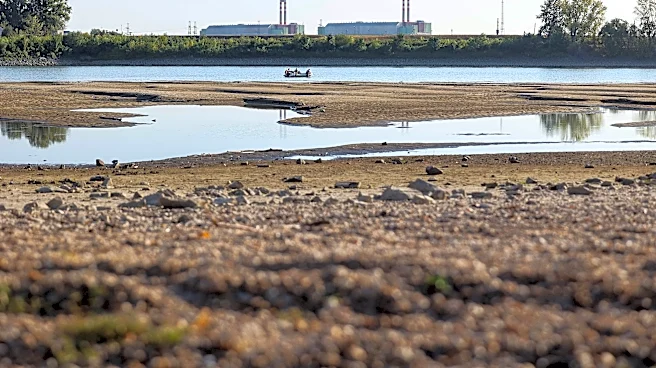
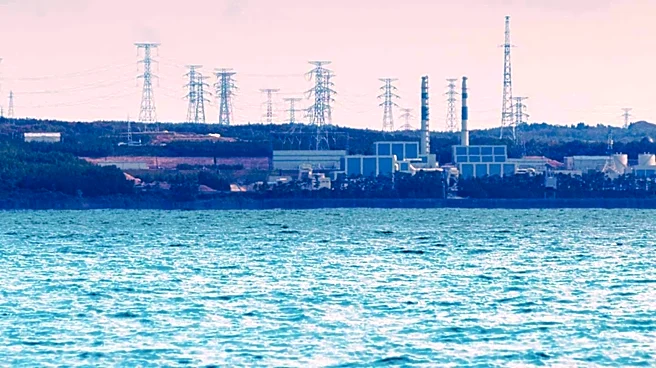
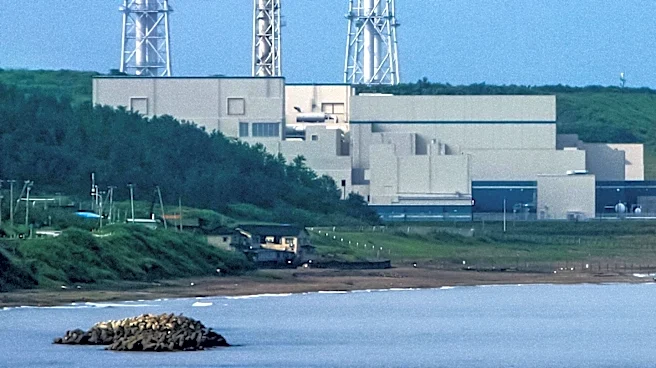
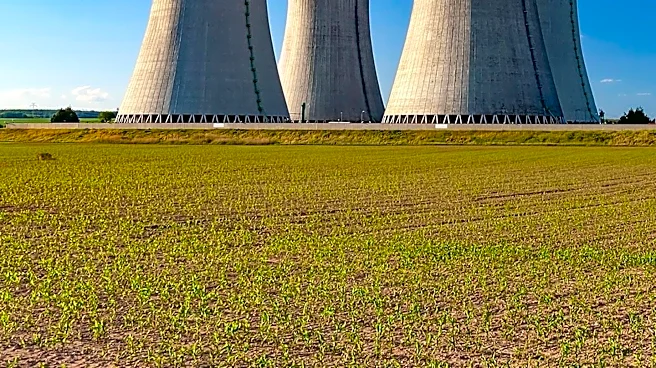
Hungary's only nuclear power plant, the Paks facility, is set to shut down for the first time in its history due to unprecedented low water levels in the Danube River. The plant, which relies on the river
for cooling its reactors, is currently operating at less than half its capacity. Prime Minister Péter Magyar announced that the plant might be completely powered down by next week if water levels continue to drop. This development is part of a broader drought affecting Central Europe, impacting various sectors including agriculture and industry.
Why It's Important?
The shutdown of the Paks nuclear plant highlights the vulnerability of energy infrastructure to environmental changes, particularly in the context of climate change. As the plant accounts for nearly half of Hungary's electricity production, its closure could lead to energy shortages and increased reliance on alternative energy sources. This situation underscores the need for countries to diversify their energy portfolios and invest in sustainable solutions to mitigate the impacts of climate-related disruptions. The event also serves as a warning to other regions dependent on natural water sources for industrial operations.
What's Next?
Hungary's government is urging large energy consumers to reduce their usage to stabilize the energy supply. The situation may prompt discussions on energy policy and the need for investment in renewable energy sources. Additionally, the government has recommended suspending parliamentary sessions to conserve energy. The ongoing drought and its impact on the Danube will likely continue to be monitored closely, with potential implications for regional cooperation on water management and climate adaptation strategies.