



What's Happening?
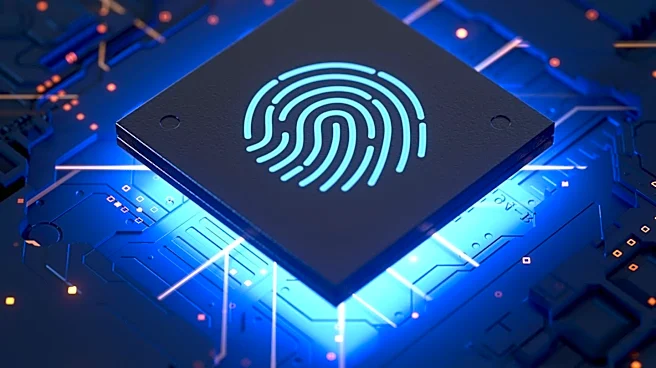
The U.S. Department of Veterans Affairs (VA) has launched a pilot program integrating CLEAR1, CLEAR's secure identity platform, to enhance the Veteran experience on VA.gov. This initiative aims to provide a faster, simpler, and more secure method for Veterans to create
or access their VA.gov accounts, both online and in person at select VA Medical Centers. The VA serves approximately 17 million living U.S. Veterans, with 9.1 million enrolled in its healthcare system annually, making VA.gov a crucial digital portal for benefits and services. The CLEAR1 pilot seeks to streamline the initial account access step, which is often a barrier for Veterans. Starting immediately, Veterans can opt to use CLEAR for sign-in, utilizing a quick, one-time setup followed by selfie-based authentication for future access. In-person enrollment with CLEAR Ambassadors and Pods is available at six VA medical centers, including locations in Brooklyn, Washington D.C., and Palo Alto, to assist Veterans without smartphones or facing connectivity issues.
Why It's Important?
This pilot program is significant as it addresses critical issues of accessibility, security, and fraud prevention within the VA's digital services. By simplifying the account creation and login process, the VA aims to close the gap between the benefits Veterans have earned and their ability to access them. The use of CLEAR1's multi-layered verification, combining biometrics, government-issued identification, and trusted data sources, is a direct response to the growing concern over fraud, waste, and abuse in federal benefit programs. The Government Accountability Office reported an estimated $1 billion in improper payments in the VA's Beneficiary Travel Program alone between 2018 and 2024. By ensuring that the correct individual receives the intended benefits, this initiative can help recover funds that can then be redirected to support the 17 million Veterans who rely on these resources. This modernization effort could set a precedent for other federal agencies seeking to enhance digital security and user experience.
What's Next?
The VA and CLEAR will evaluate the results of this pilot program to determine its effectiveness and potential for broader implementation. If successful, the integration of CLEAR1 could be expanded to more VA facilities and potentially become a standard option for Veteran identity verification across VA digital platforms. The pilot's success could also influence other federal agencies to explore similar secure identity solutions to modernize their services and combat fraud. Feedback from Veterans participating in the pilot, such as those who praised the ease of use and seamless process, will be crucial in shaping future decisions. The VA emphasizes that using CLEAR is free and optional, and Veterans can continue to use existing sign-in methods if preferred, ensuring flexibility and choice during this transitional period. The program's impact on reducing improper payments and improving Veteran satisfaction will be key metrics for its future.
Beyond the Headlines
The partnership between the VA and CLEAR represents a broader trend towards leveraging advanced identity verification technologies to enhance government services and security. This initiative touches upon the evolving landscape of digital identity, where biometrics and secure platforms are becoming central to accessing critical services. Beyond the immediate benefits for Veterans, this pilot raises questions about data privacy, the balance between convenience and security, and the future of digital government interactions. While CLEAR asserts that Veterans' personal health information remains with the VA and that it does not sell biometric data, the increasing reliance on third-party identity solutions warrants ongoing scrutiny regarding data governance and user consent. This move could also pave the way for a more integrated and secure digital identity ecosystem across various federal and state services, potentially streamlining access to a wide array of public benefits while simultaneously bolstering defenses against identity theft and fraud.